Balti Jaam
Tallinn’s main railway gateway opened in 1870 with the Baltic Railway — linking Paldiski and Tallinn to Narva and onward to the imperial rail network. The station was later rebuilt after wartime destruction and still hides fragments of its 19th-century stone core.
The story
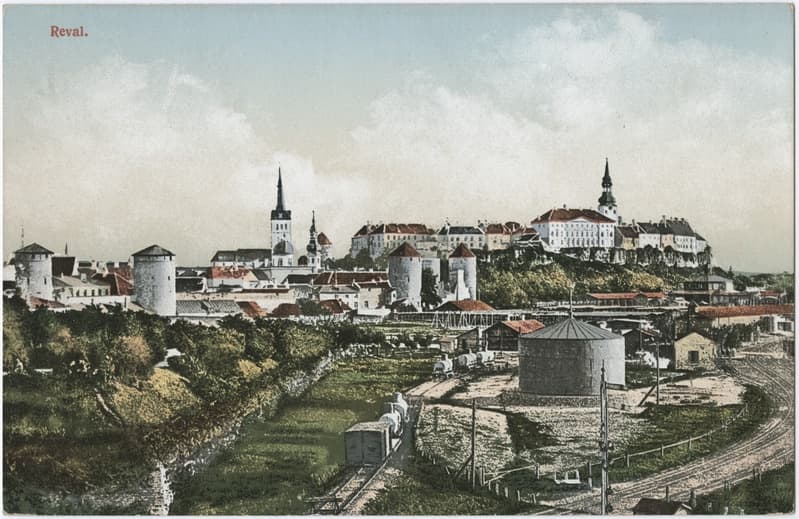
Balti jaam is the point where Estonia entered the railway age. On 5 November 1870 the Baltic Railway opened, linking Paldiski and Tallinn through Narva to the imperial network — and turning a seasonal port town into a year-round logistics city.
The first station was a two-storey limestone building by architect Rudolf Otto von Knüpffer, built to look like what it was: a first-class gateway.
Burned, rebuilt, and still working
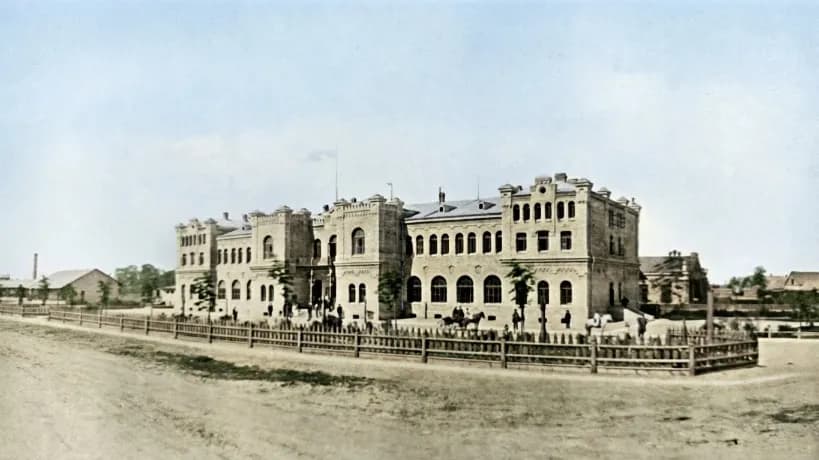
The 20th century treated it like all strategic infrastructure: set on fire in 1941 during the Red Army's retreat, partly restored by 1945, then rebuilt into its modernist form with a new main building in 1967. The unusual part: fragments of the 19th-century limestone core were kept inside the rebuilt shape.
Next door, the 1870s railway warehouses got the same second life — their limestone façades now front the Baltic Station Market, reopened in 2017. Balti jaam is what Tallinn looks like when it refuses to stop being useful.
The full Balti Gateway route in the app walks you through the station district's whole story — workshops, workers, and war included.
Quick facts
- •The Baltic Railway opened on 5 November 1870.
- •The station burned in 1941 and was rebuilt; the modernist main building opened in 1967.
- •The Baltic Station Market (2017) preserves the façades of three 1870s limestone warehouses.
Open Balti Jaam in WanderTrails
Stand at the real spot and unlock the full story with photos and audio narration in English, Estonian, or Russian — free, self-guided, no booking needed.