Danish King's Garden
According to medieval tradition, the Danish flag first appeared here in 1219 during the Battle of Lyndanise — an event that shaped Tallinn's early history.
The story
On this slope in June 1219, during the Battle of Lyndanise, Danish crusaders were losing — until, as the chronicles tell it, a red flag with a white cross descended from the sky. That flag became the Dannebrog, the world's oldest national flag still in use, and this garden is where the legend places its birth.
The Danes won, and northern Estonia spent more than a century under Danish rule. Even the city's name may carry the memory: one reading of 'Tallinn' is 'Taani linn' — the Danish town.
A border between two worlds
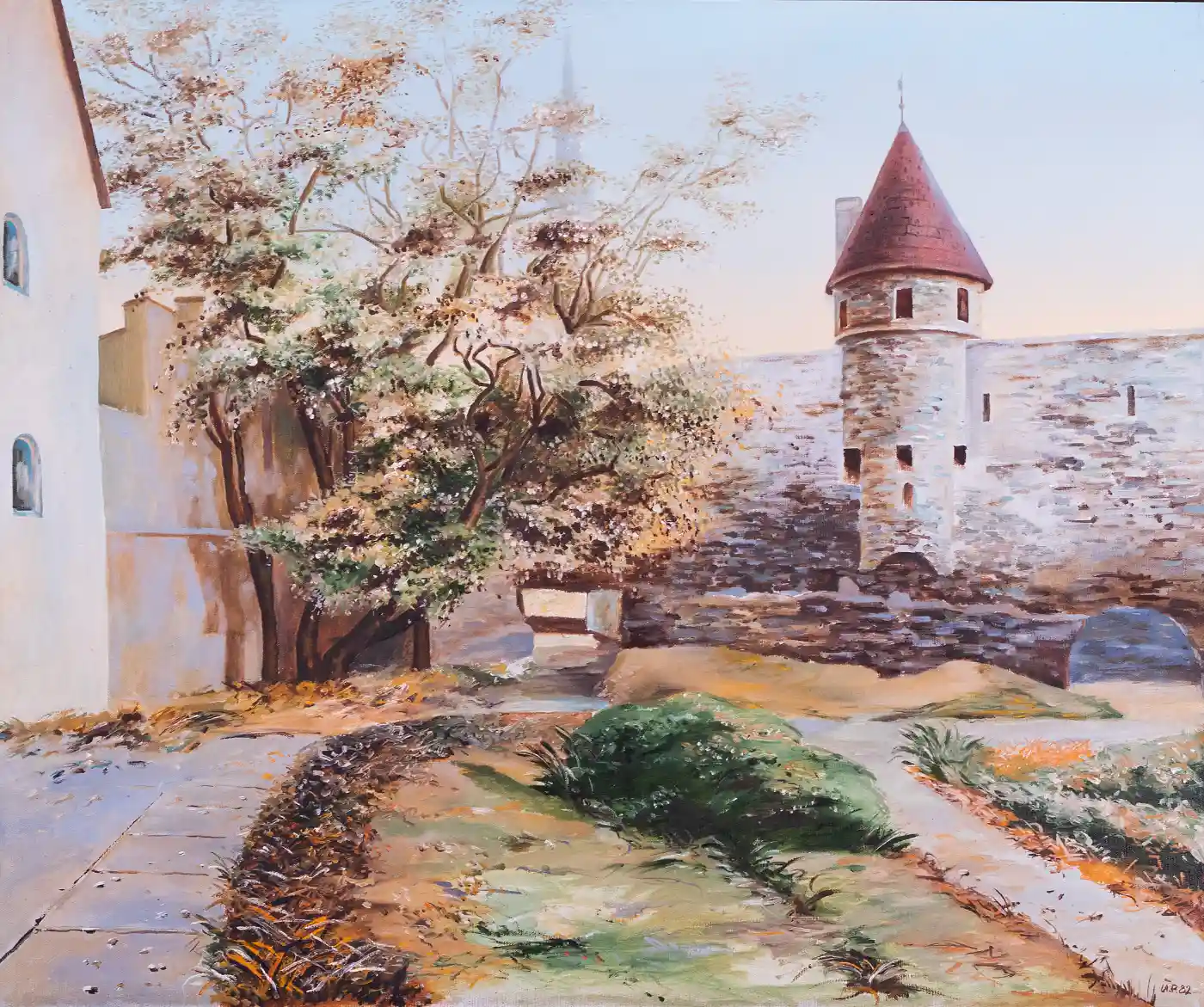
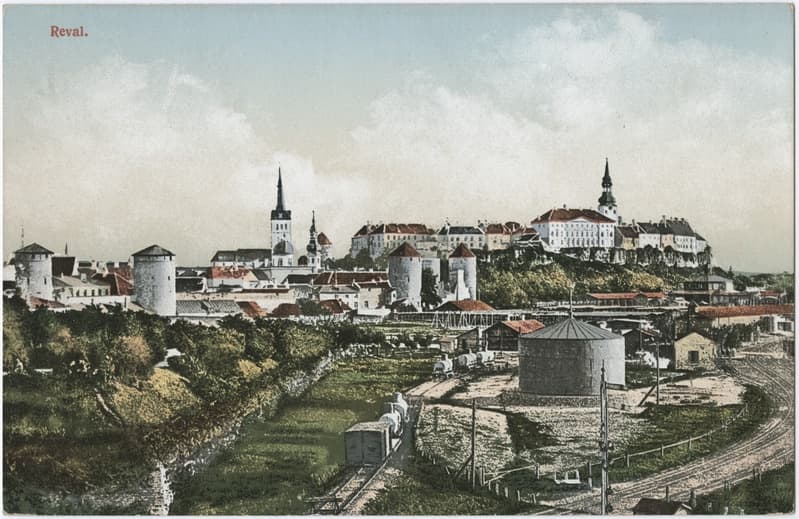
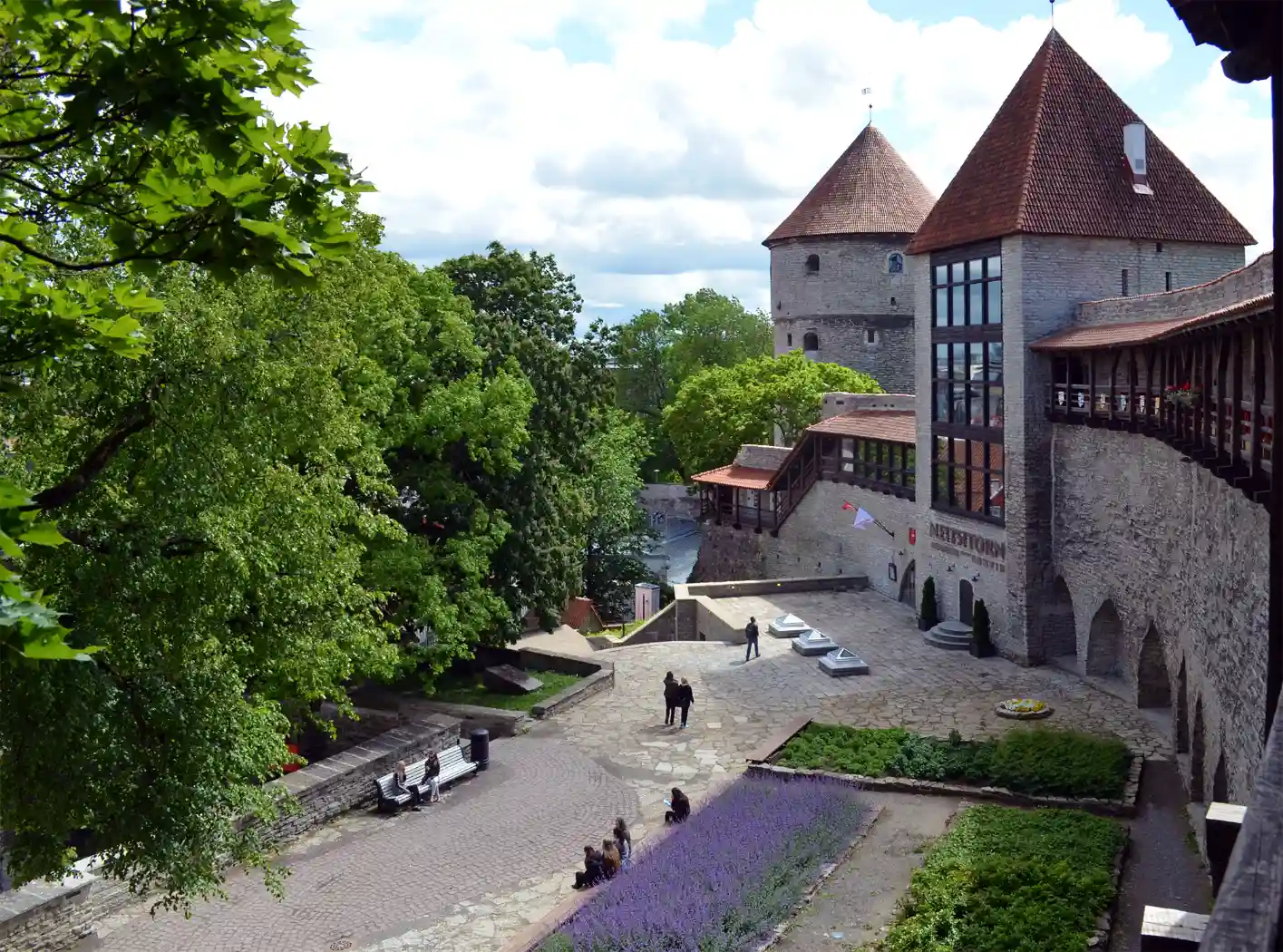
The garden sits on the defensive slope between Toompea — the hill of rulers — and the merchant town below, beside wall towers like Neitsitorn. For medieval citizens this wasn't scenery; it was the physical line between power above and commerce below.
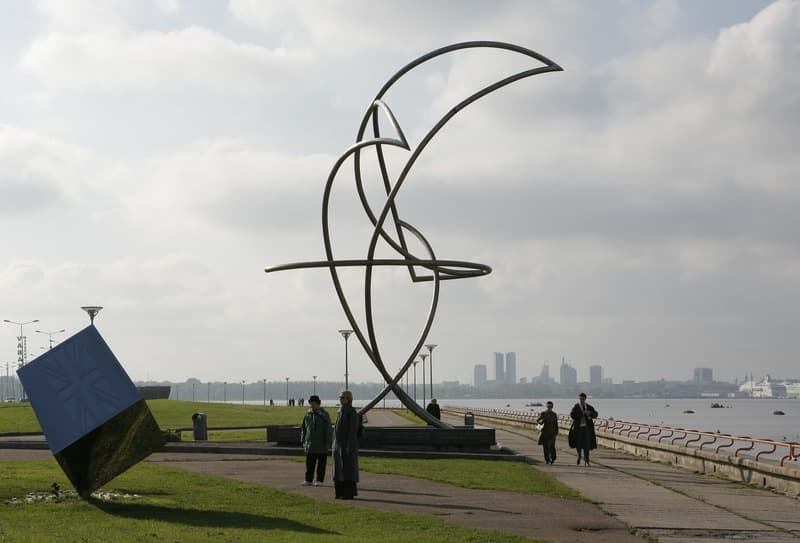
Today the garden holds modern echoes of the story: the sculpture 'The Flag Descended' (2012) and three faceless bronze monks. And every 15 June, Dannebrog Day is celebrated here, in Tallinn, as well as in Denmark.
Stand under the towers with the app and hear how a battlefield became a garden — and a legend became two nations' shared memory.
Quick facts
- •The Battle of Lyndanise took place in June 1219.
- •The Dannebrog legend makes this the birthplace of the world's oldest continuously used national flag.
- •Dannebrog Day is marked in the garden every 15 June.
Open Danish King's Garden in WanderTrails
Stand at the real spot and unlock the full story with photos and audio narration in English, Estonian, or Russian — free, self-guided, no booking needed.