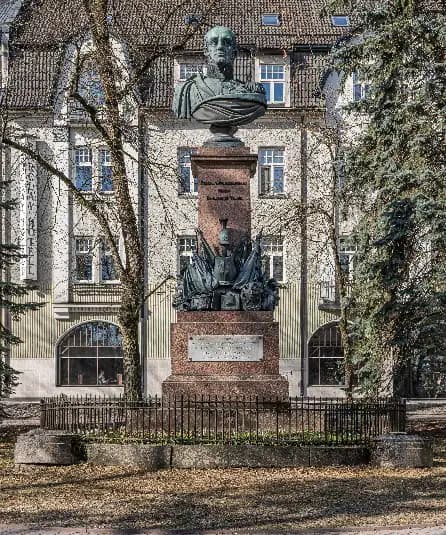
Barclay de Tolly Monument
A monument to the commander who was blamed for retreating — until retreat became the strategy that helped break Napoleon.
The story
In 1812, as Napoleon invaded with the largest army Europe had seen, Barclay de Tolly did the most unpopular thing a commander can do: he retreated. Cities abandoned, roads given up, criticism from every side — retreat never looks heroic while you're living through it.
But Barclay understood that Napoleon needed a quick, decisive battle — so he refused to give him one. The army withdrew in order, stretched French supply lines to breaking point, and let distance, hunger, and winter become weapons. The 'cowardly' retreat helped destroy Napoleon's campaign.
Why his monument stands in Tartu
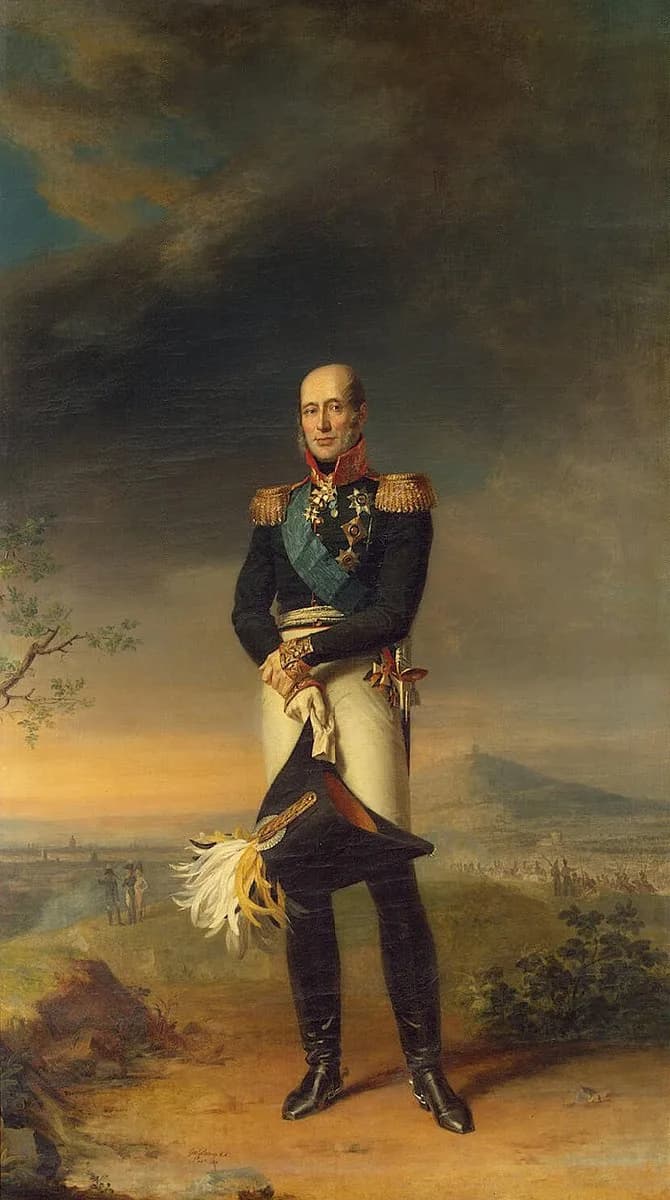
Barclay was Baltic through and through — Scottish roots, Baltic German nobility, buried not in Moscow or St. Petersburg but at Jõgeveste in southern Estonia. The monument, erected in 1849, puts a European war story into a university town's everyday landscape, where Russian imperial, Baltic German, and Estonian memory all meet — not always comfortably, but visibly.
The full discovery tells how a man blamed for weakness was later proven right — listen to it beside the monument itself.
Quick facts
- •Barclay commanded the First Army during Napoleon's 1812 invasion.
- •His family mausoleum stands at Jõgeveste, southern Estonia.
- •The Tartu monument was erected in 1849, over thirty years after his death.
Open Barclay de Tolly Monument in WanderTrails
Stand at the real spot and unlock the full story with photos and audio narration in English, Estonian, or Russian — free, self-guided, no booking needed.