Tartu Botanical Garden
One of the oldest scientific gardens in Eastern Europe, where plant collections, medicinal research, and academic teaching have shaped two centuries of university life.
The story
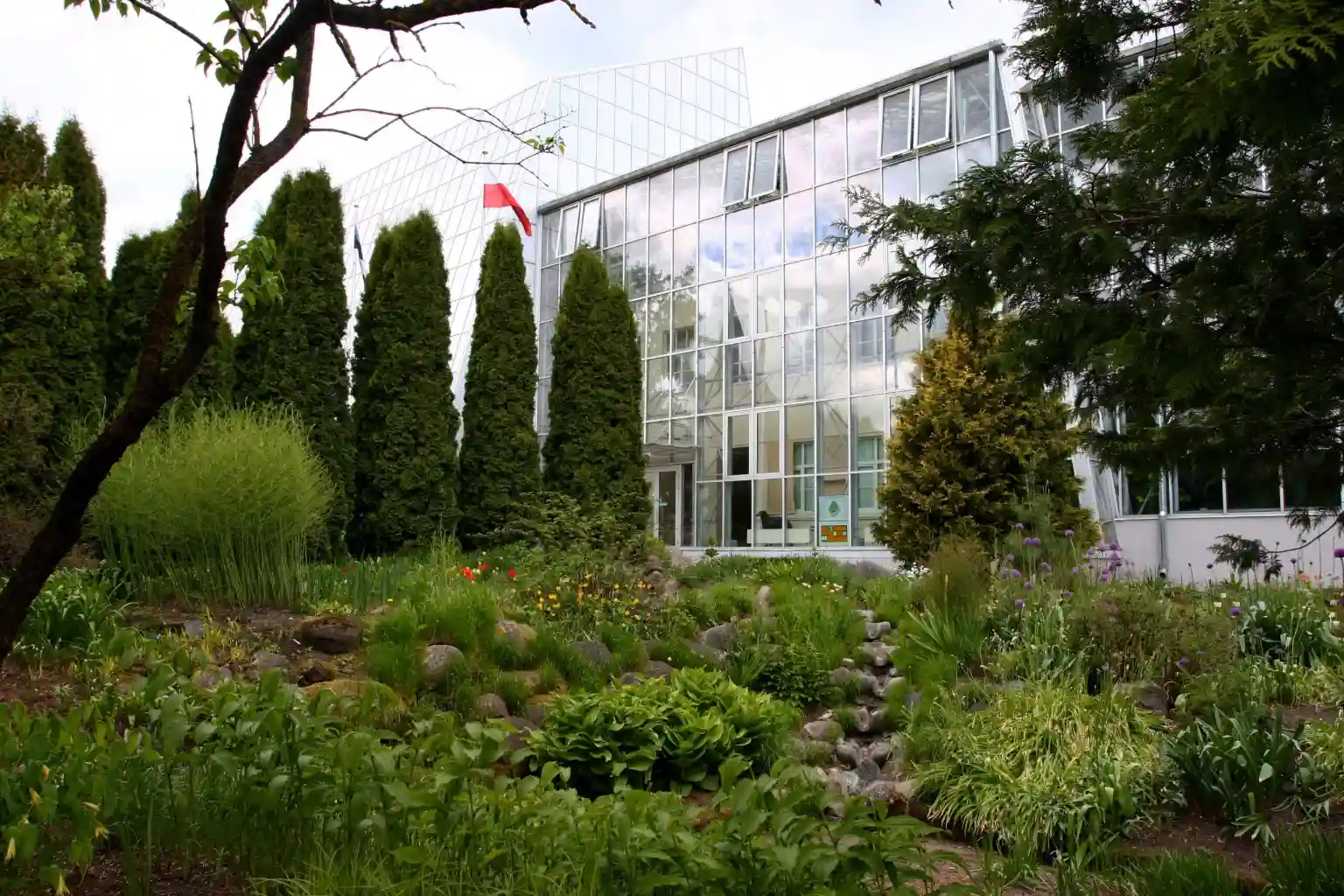
Founded in 1803 — one year after the university itself was re-established — Tartu's Botanical Garden is one of the oldest continuously working botanical gardens in Eastern Europe. It moved to its riverside site in 1806, where terraces, microclimates, and the Emajõgi made a living laboratory possible.
In the early 1800s, botany was medicine. Students learned to recognize poppy, valerian, foxglove, and willow — the raw ingredients of European pharmacology — and the garden's seed exchanges connected Tartu to universities across Germany, Scandinavia, and Russia.
Two centuries without stopping
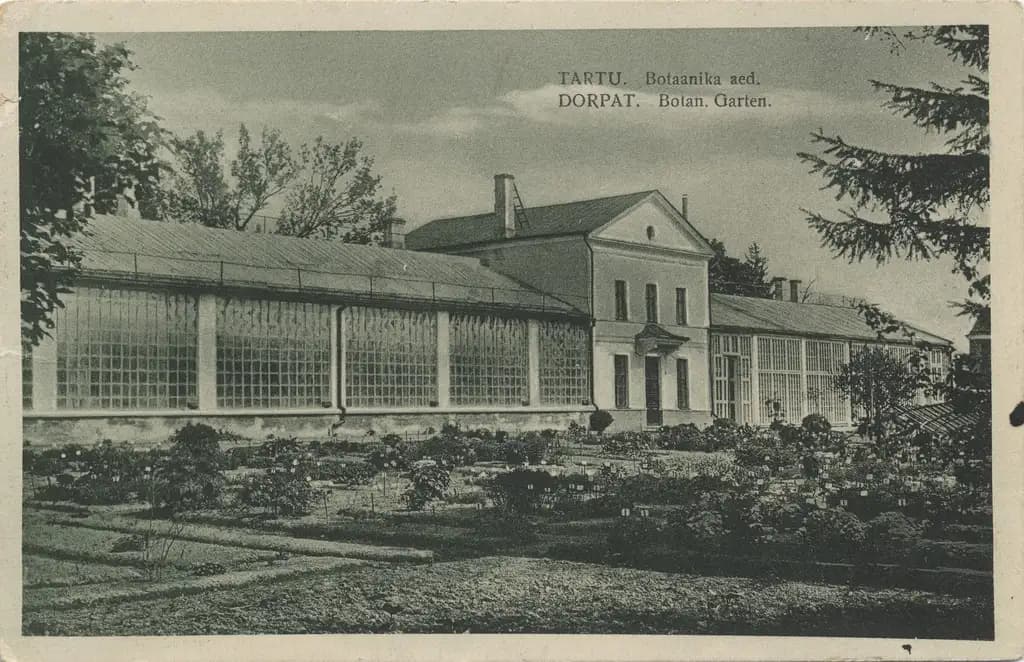
Through empire, republic, war, and Soviet rule, the garden simply kept operating — teaching, collecting, cultivating. Today its greenhouses still grow palms and citrus above the Baltic winter, and the terraces remain what they've been for two hundred years: the university's outdoor room.
The discovery in the app walks you along the terraces with the stories of the plants that were once medicine.
Quick facts
- •Founded in 1803; on its current riverside site since 1806.
- •One of the oldest continuously operating botanical gardens in Eastern Europe.
- •Its 19th-century seed exchange linked universities across Europe.
Open Tartu Botanical Garden in WanderTrails
Stand at the real spot and unlock the full story with photos and audio narration in English, Estonian, or Russian — free, self-guided, no booking needed.