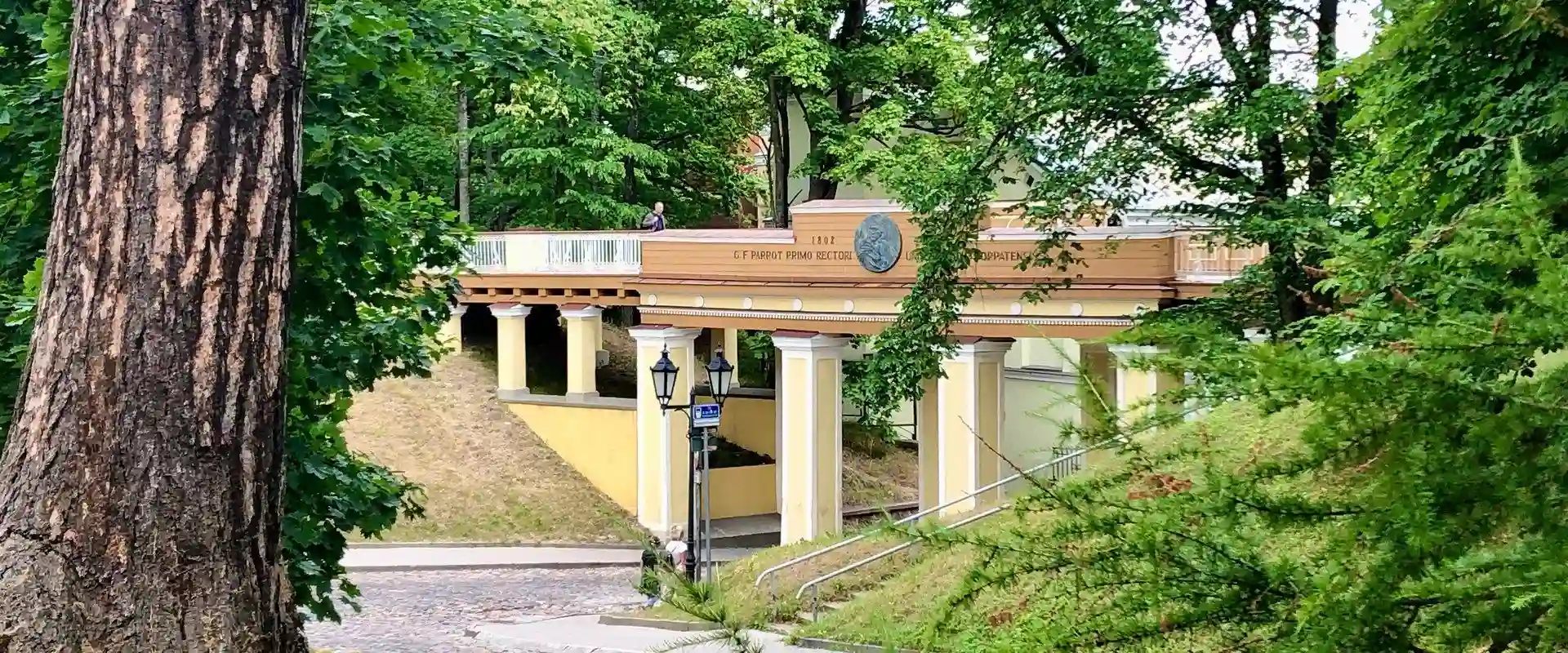
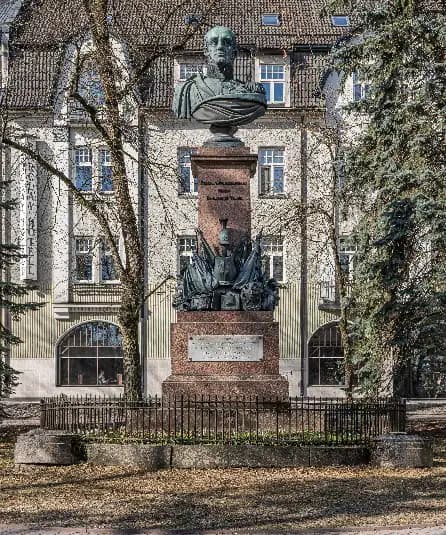
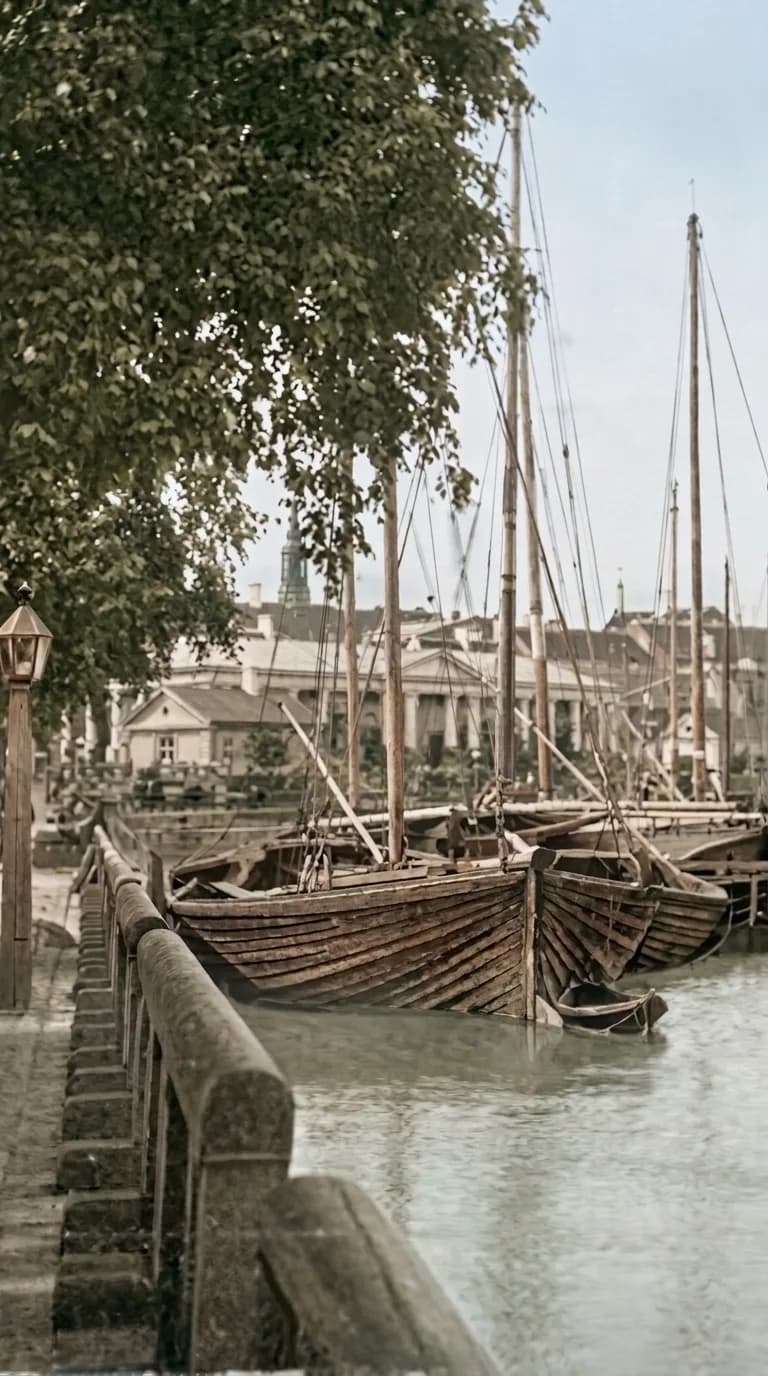
Tartu Observatory
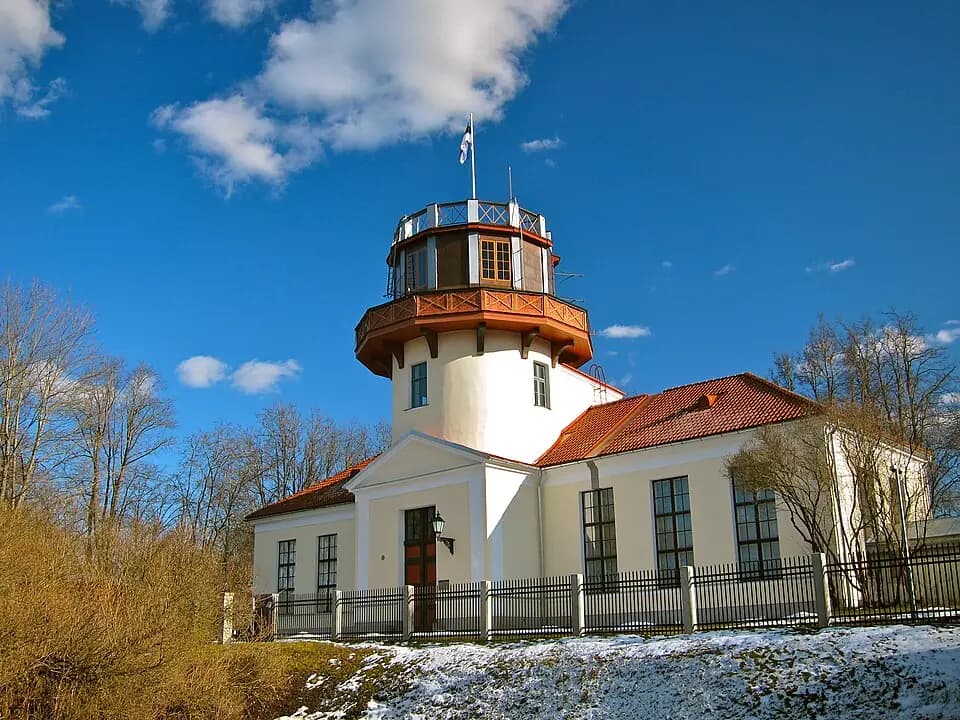
A small white building on Toome Hill — and one of the places where modern astronomy and Earth-measurement became real science, not just curiosity.
The story
The small white building on Toome Hill looks modest, but in the 19th century it made Tartu — then Dorpat — famous across scientific Europe. Its great refractor telescope set a new standard of precision: double stars separated, positions measured, catalogues other scientists could actually trust.
This is where astronomy stopped being 'a tower for looking' and became a laboratory: logged, checked, repeatable. Precision became culture.
The invisible line through Europe
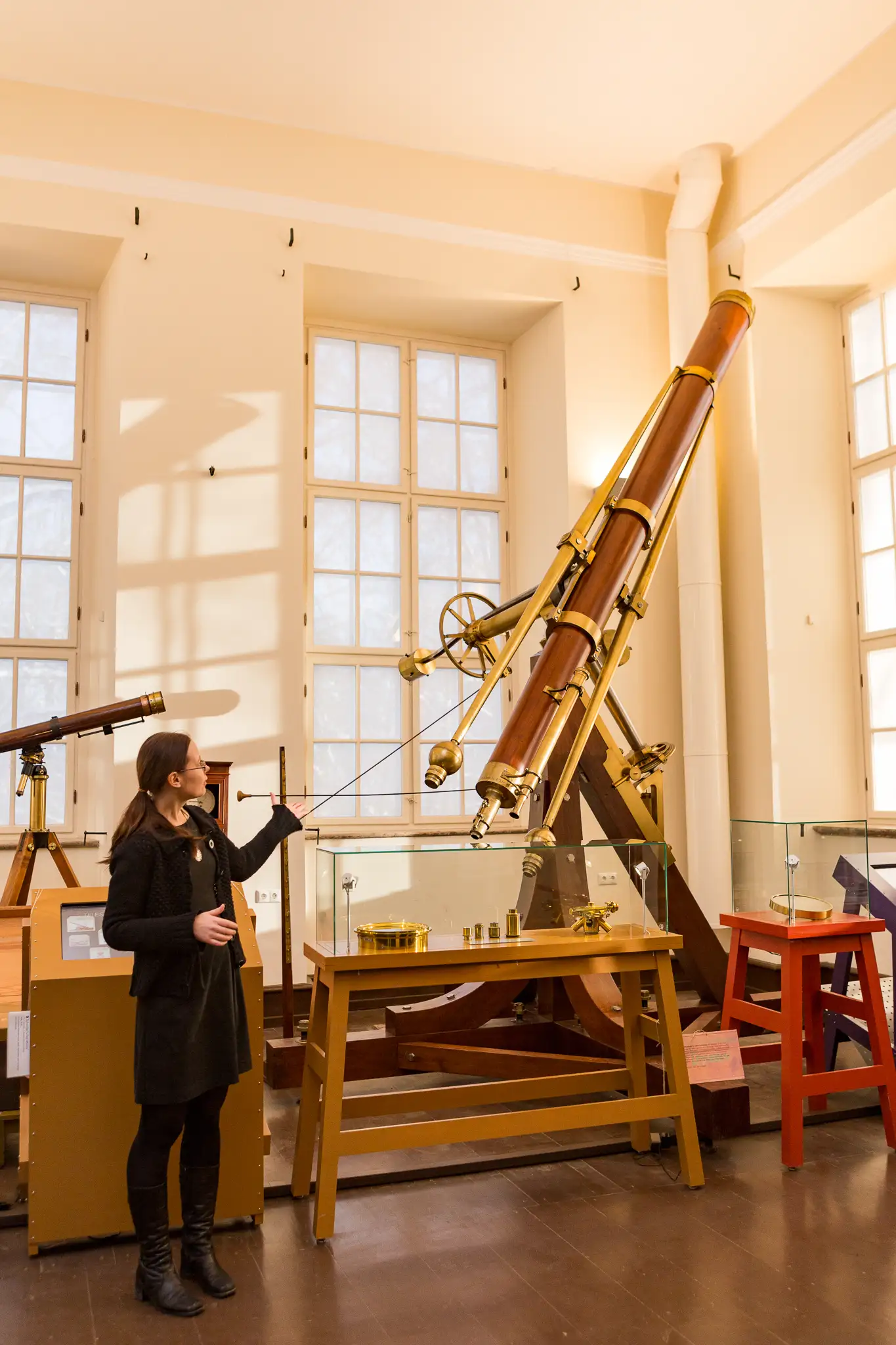
From this hill, astronomer Friedrich Georg Wilhelm Struve launched something even bigger: a chain of triangulation points stretching thousands of kilometres across Europe, used to calculate the size and shape of the Earth itself. The Struve Geodetic Arc is now a UNESCO-listed achievement — and its story begins on this quiet hill.
Stand where Struve stood and let the app trace the invisible line from this hill across a continent.
Quick facts
- •The observatory's 19th-century refractor was among the finest in the world.
- •F. G. W. Struve led the geodetic arc project measuring the Earth's curvature.
- •The building now works as a museum.
Open Tartu Observatory in WanderTrails
Stand at the real spot and unlock the full story with photos and audio narration in English, Estonian, or Russian — free, self-guided, no booking needed.