Tartu Railway Station: The City’s New Gateway
Find the viewpoint and reveal Tartu railway station in its early years — when the tracks turned a quiet edge of town into a gateway toward Tallinn, Riga, and the wider world.
The story
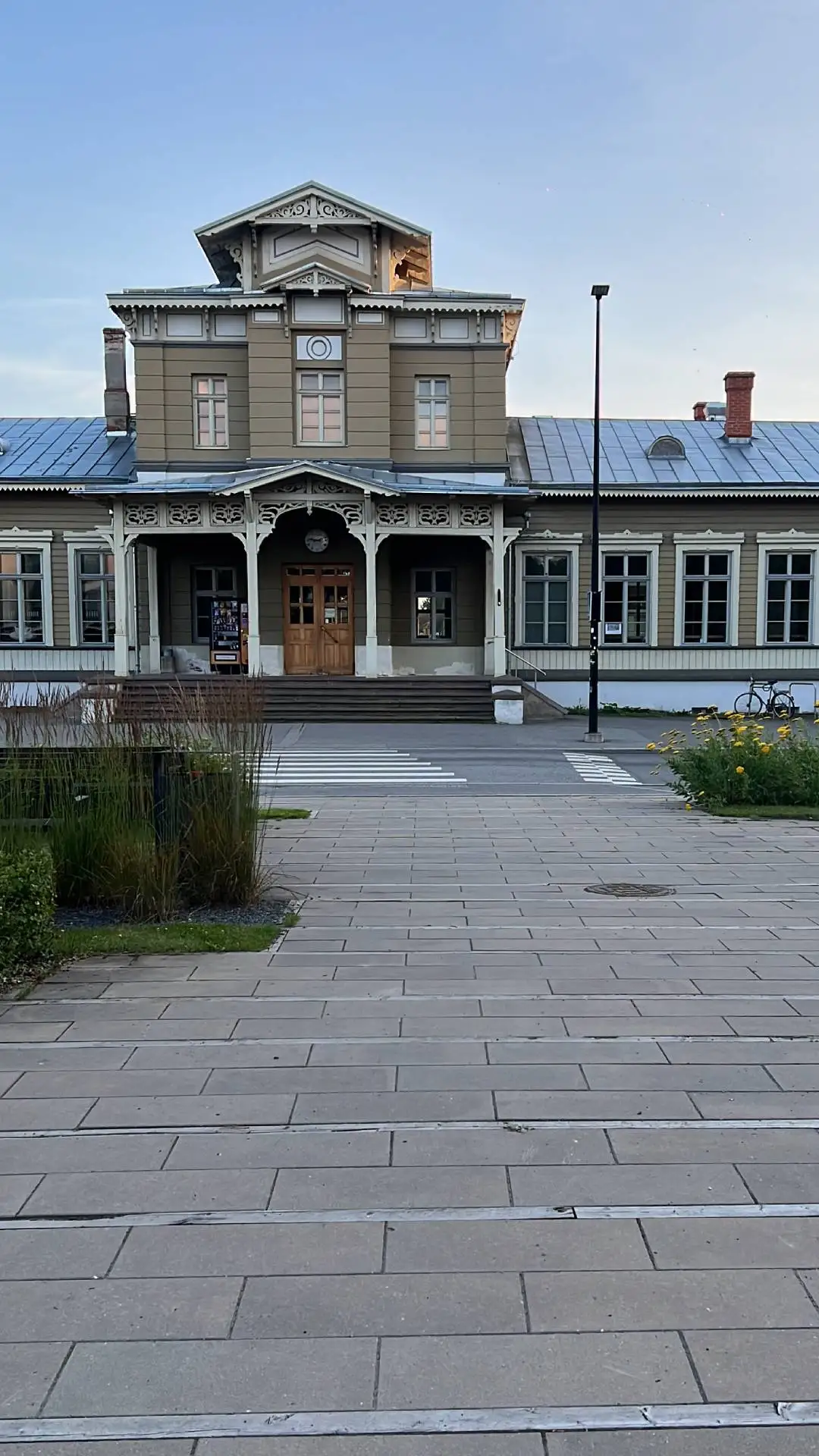
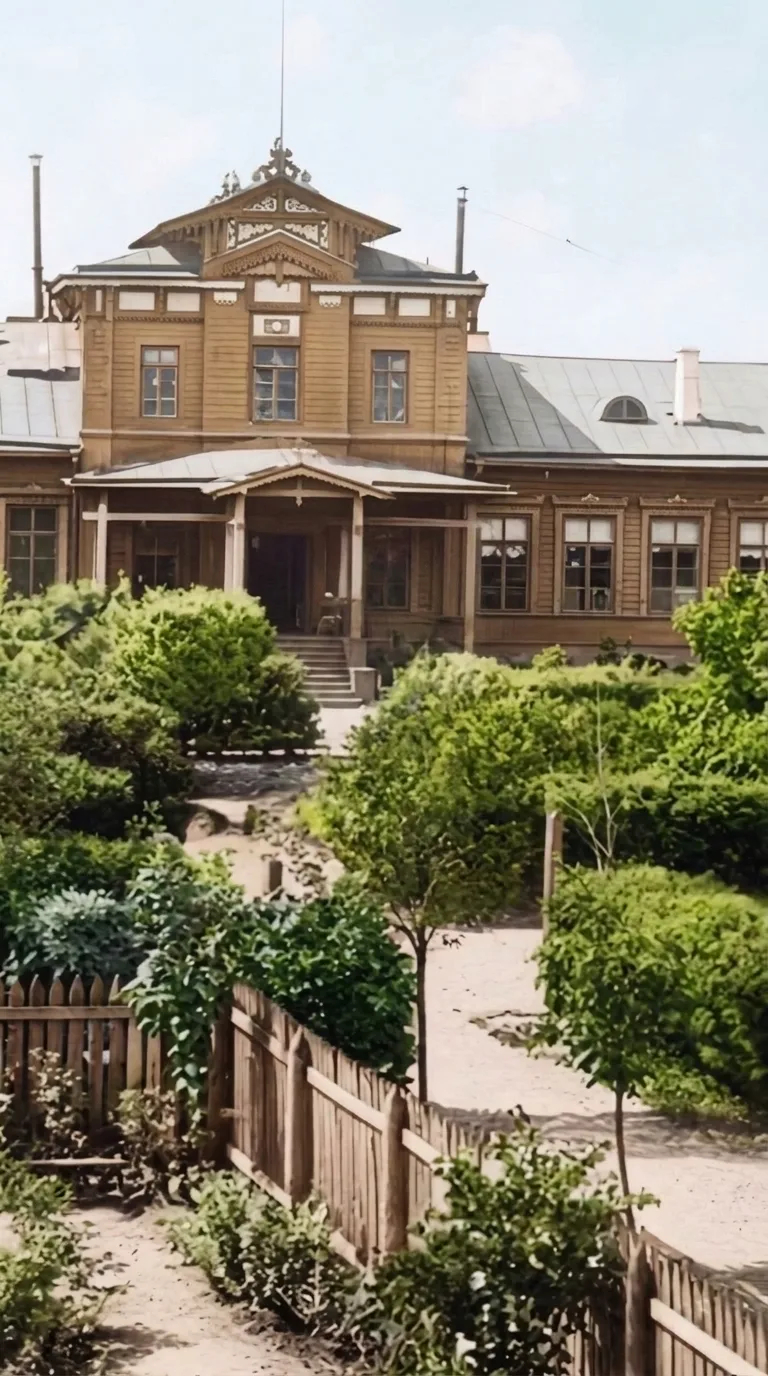
Look first at the garden. When Tartu railway station was new, it did not stand in the middle of a busy city district. It rose beyond the town limits, at the end of tree-lined Maarjamõisa Street. Ornamental trees, paths, and fences turned the approach into a formal entrance. Behind this peaceful façade was one of the biggest changes in Tartu’s everyday life.
Construction of the Tapa–Tartu railway branch began in 1875. On the sixteenth of August, 1876, the first locomotive reached the new station. Five days later, the first complete train arrived: two locomotives and nine carriages. Crowds gathered along the tracks to see the iron machine enter Tartu. Through Tapa, the university town was suddenly connected with Tallinn, Paldiski, and Saint Petersburg.
Open Tartu Railway Station in WanderTrails
Walk to the real viewpoint, raise your camera, align the guide with today's view — and watch the past appear over the present, with the full audio story in English, Estonian, or Russian.