Pirita Olympic Harbour
Built for the 1980 Summer Olympics, Pirita became the maritime stage where Cold War politics, Soviet ambition, and Olympic sport intersected on the Baltic Sea.
The story
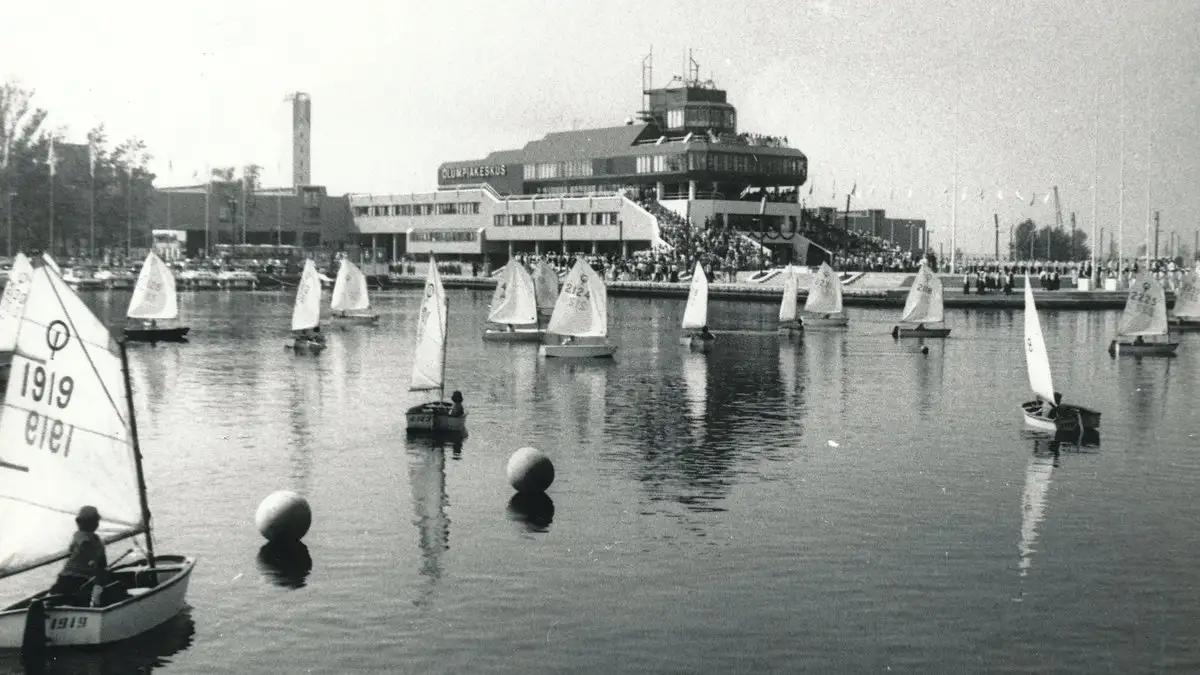
The 1980 Summer Olympics belonged to Moscow — but the sailing belonged to Tallinn. Pirita was chosen for the Olympic regatta, and in the late 1970s a whole section of the coast was rebuilt for it: harbour, athlete facilities, roads, and some of the boldest concrete architecture in Estonia.
For Estonians the Games were double-edged: global attention and modern infrastructure, delivered under strict Soviet control, with national symbols restricted and security everywhere. For two weeks, the Iron Curtain had a small seaside gap.
What the Olympics left behind
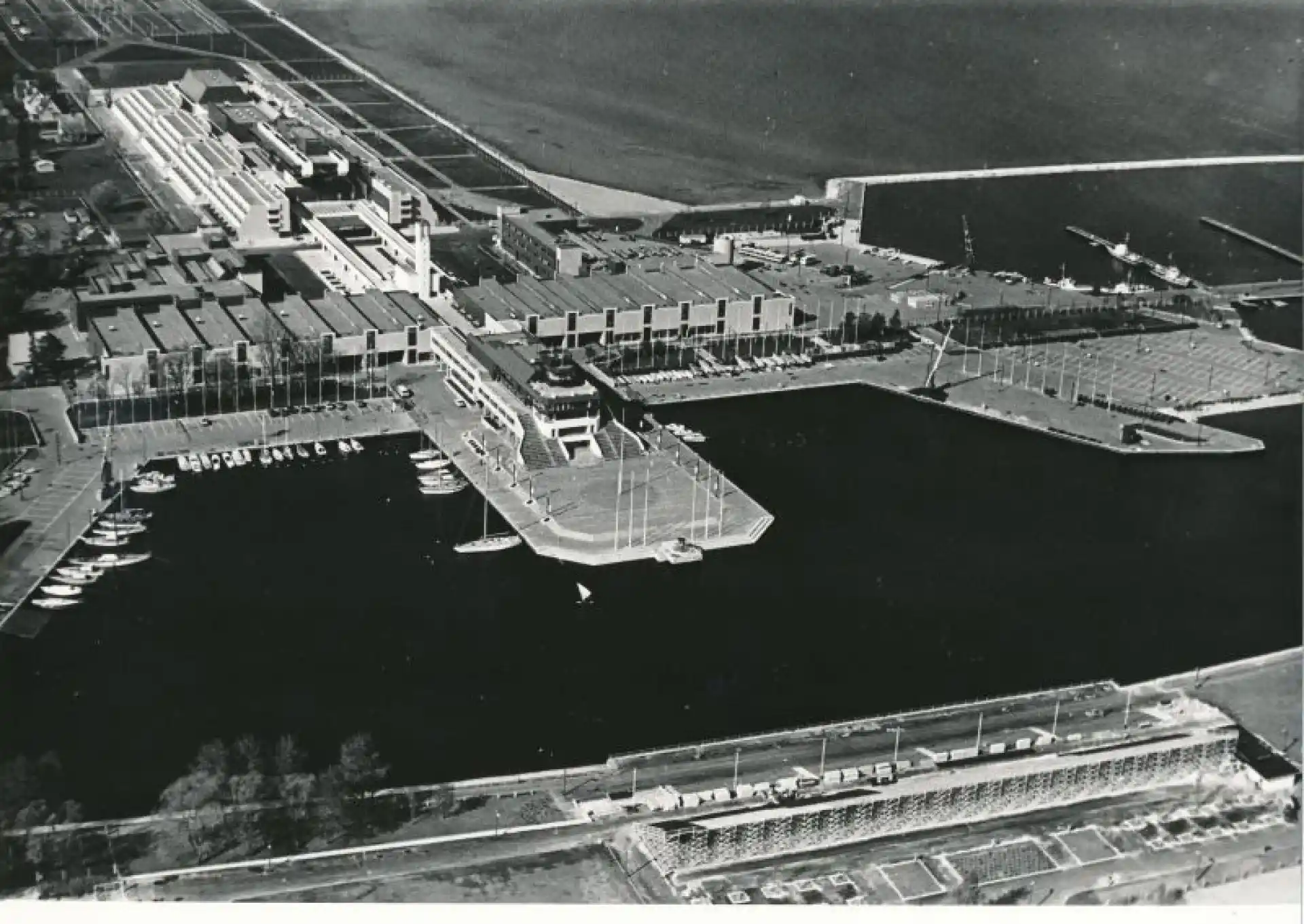
The monumental sailing centre — sharp geometry, big open spaces, unapologetic concrete — is now one of the most distinctive examples of late Soviet modernism in the country. After 1991 its meaning flipped: from ideological showcase to everyday marina, beach promenade, and landmark.
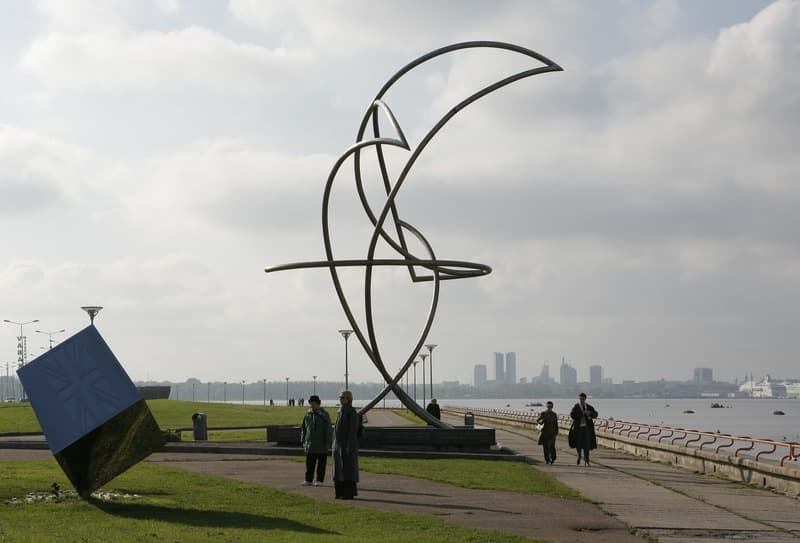
Weathered but recognizable, the harbour is a rare place where you can walk through Cold War history, Olympic history, and an ordinary seaside afternoon at the same time.
The discovery in the app pairs the Olympic broadcasts with what the harbour looks like today — stand on the breakwater and compare.
Quick facts
- •The 1980 Olympic sailing events were held at Pirita, not Moscow.
- •Construction reshaped whole sections of the Pirita coastline in the late 1970s.
- •The complex is a leading example of late Soviet modernist architecture in Estonia.
Open Pirita Olympic Harbour in WanderTrails
Stand at the real spot and unlock the full story with photos and audio narration in English, Estonian, or Russian — free, self-guided, no booking needed.