Convent of St. Bridget
Silent stone walls hide centuries of devotion, ambition, tragedy, and quiet miracles...
The story
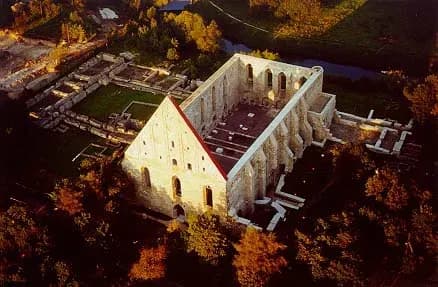
The roofless Gothic façade at Pirita belongs to what was once one of the grandest religious institutions in the Baltic: the Convent of St. Bridget, founded around 1407. Its church rose more than 25 metres, with an altar imported from Lübeck and a library in a country where most people couldn't write their names.
The convent was also a rarity: a double monastery housing both nuns and monks — a system almost unknown elsewhere in medieval Europe. The women's section was the larger and more influential; this riverside complex was one of the earliest hubs of female intellectual life in Estonia.
One night in 1575
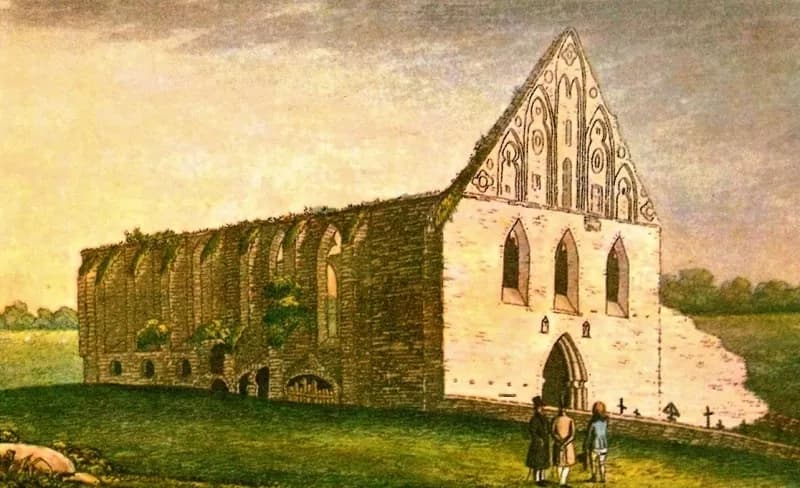
The Livonian War ended it. In 1575, troops of Ivan IV looted and burned the convent; the community never returned. The roof fell, the stained glass shattered, and the great façade was left standing alone — which is exactly how you see it today.
The ruins were never rebuilt, and that's their power. Shepherds, painters, and now concert audiences have all used this church without a roof. Standing inside it, you get the rare feeling of a cathedral open to the sky.
The app's audio walk brings the convent back to life around you — bells, manuscripts, trade ships on the Pirita River, and the night it all ended.
Quick facts
- •Founded around 1407 by the Bridgettine Order; church construction began after 1417.
- •It was a rare 'double monastery' for both nuns and monks.
- •Destroyed by Ivan IV's troops in 1575 and never rebuilt.
Open Convent of St. Bridget in WanderTrails
Stand at the real spot and unlock the full story with photos and audio narration in English, Estonian, or Russian — free, self-guided, no booking needed.