Tartu Anne Canal Walking Route
What you'll walk through
- 1
Chapter 1: Where the Name Begins
Anne Canal Walking Route
↓ Preview below - 2In the app
Chapter 2: Walking Through the Mikrorayon
Anne Canal Walking Route
- 3In the app
Chapter 3: Life Between the Blocks
Anne Canal Walking Route
- 4In the app
Chapter 4: Annelinn Today — Identity in Transition
Anne Canal Walking Route
Chapter 1 · Free preview
Anne Canal Walking Route
Standing at the Water’s Edge
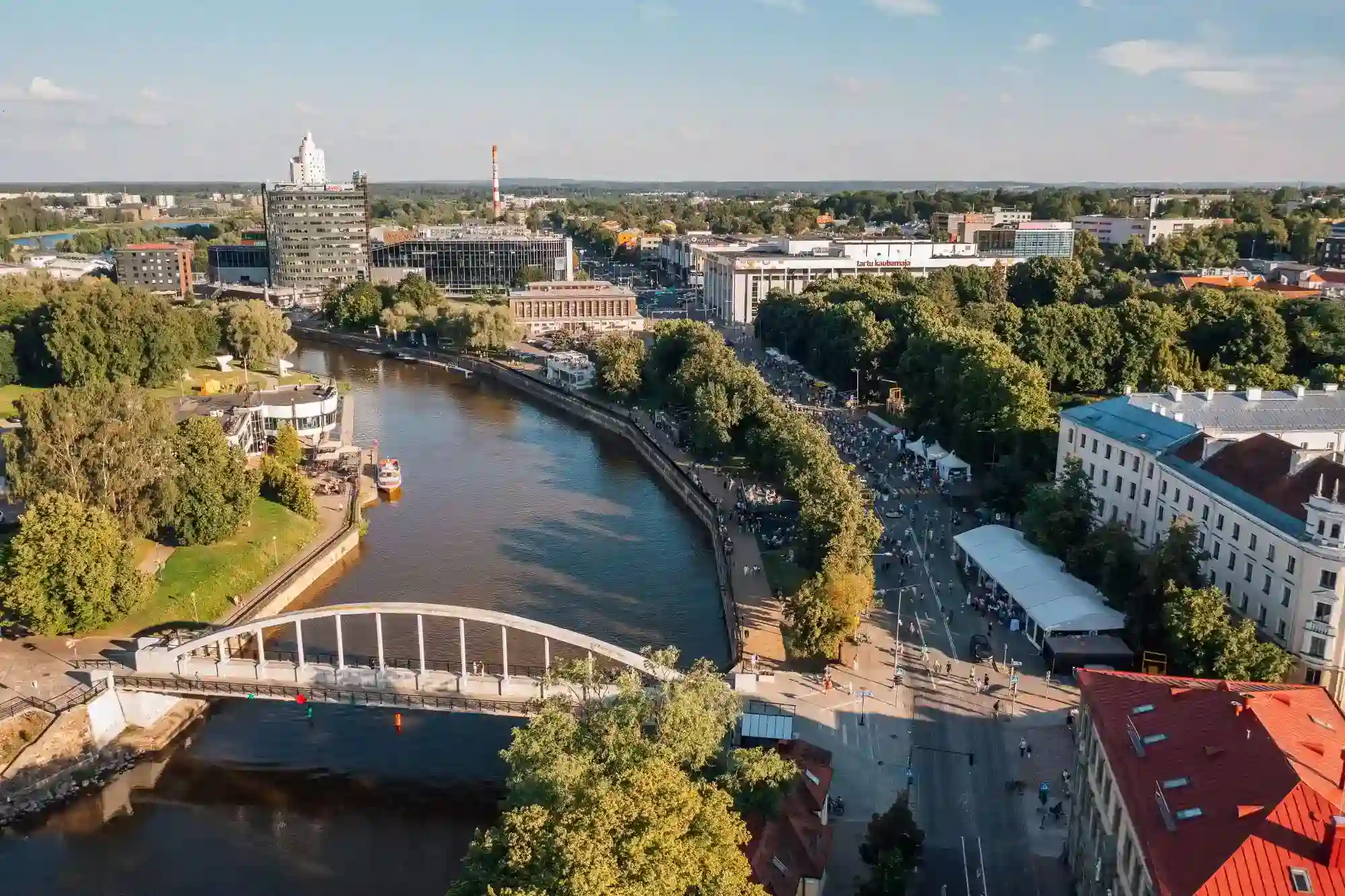
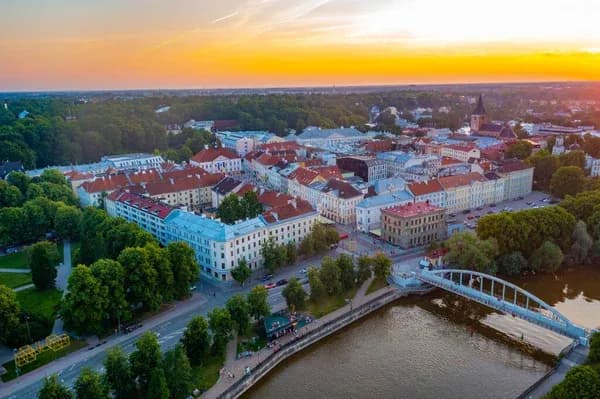
You begin beside Anne Canal, on the edge of Annelinn. The first image here is water, not concrete.
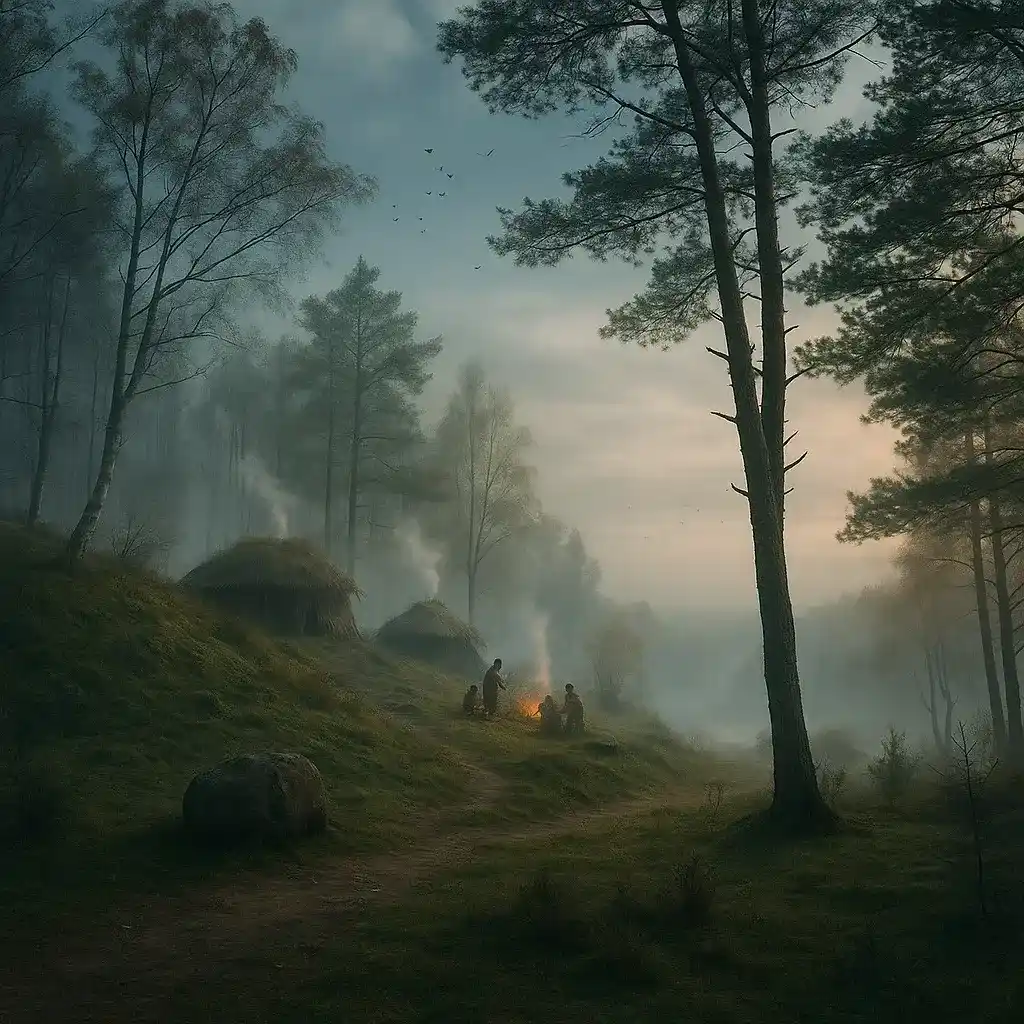
That makes the start slightly misleading in a useful way. Annelinn is often remembered as a district of panel buildings, but this place began as a mix of fields, earthworks, roads, water, and housing pressure. The Soviet district did not simply appear on an empty map.
The name Anne was already part of this side of Tartu before the large residential area was built. Anne Street had appeared on city maps decades earlier. In the 1960s and 1970s, that familiar local name expanded into something much larger: a canal, a recreation area, and eventually a residential district for tens of thousands of people.
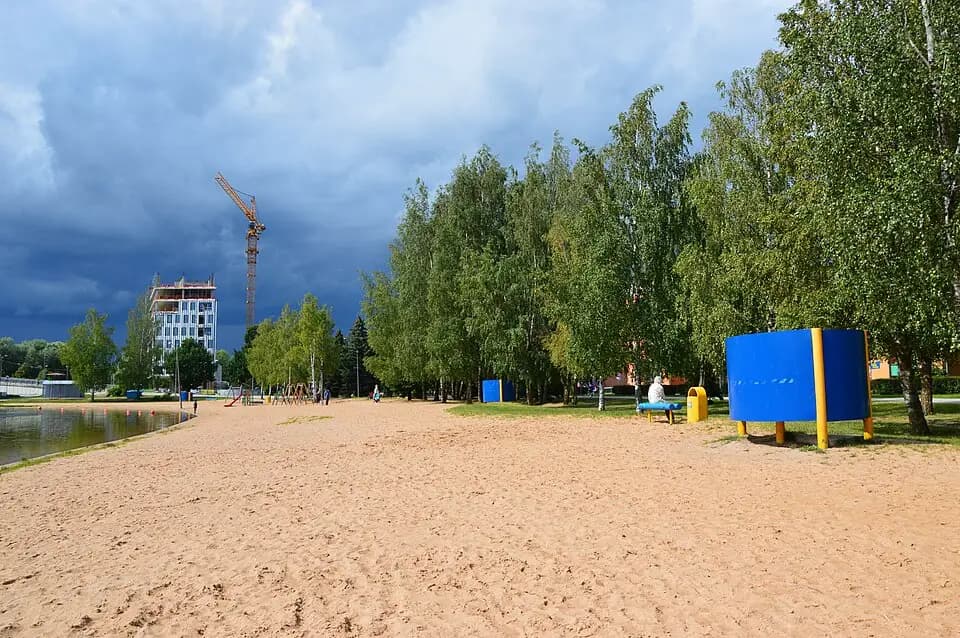
From this edge, Annelinn does not yet feel monumental. There is grass, sky, water, and then, beyond it, the apartment blocks. That contrast is the reason to start here. Before Annelinn became a pattern of buildings, courtyards, and bus stops, the city first had to reshape the ground itself.
The walk now moves from the water toward the planned district. Think of this as the threshold: behind you is the canal; ahead is the housing project that changed the eastern side of Tartu.
Why Annelinn Was Built
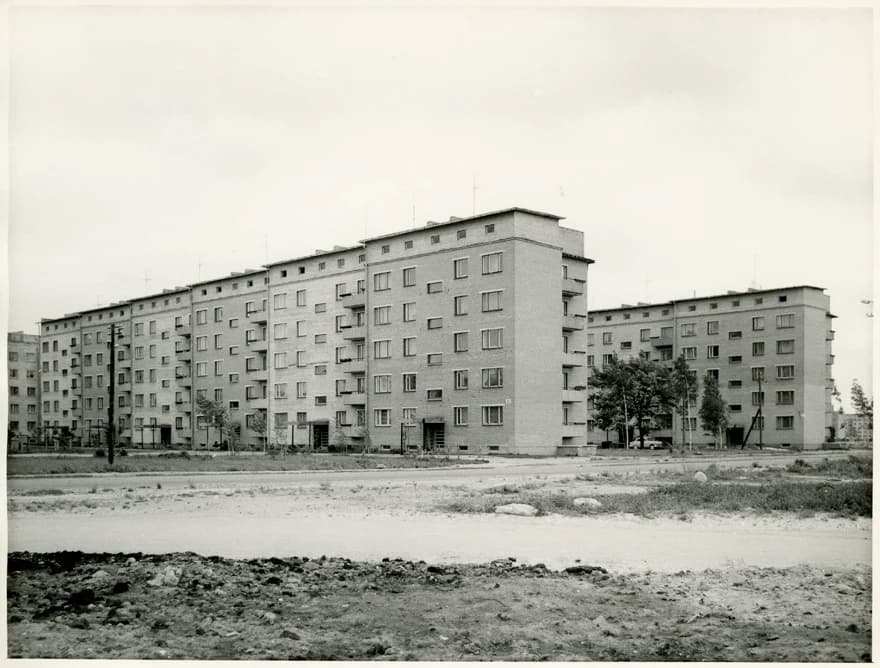
To understand why Annelinn was built, imagine Tartu in the 1960s.
The city needed homes badly. World War II had damaged the center, and post-war reconstruction did not solve the everyday question of where people should live. Families shared old wooden houses. Young workers lived in dormitories. The official queue for a state apartment could stretch for years.
The story keeps going — 13 more stops on the street
This was the beginning of chapter 1 of 4. The full route walks you stop by stop through Tartu with audio narration in English, Estonian, and Russian, historical photos at every point, and XP for your Explorer Passport. Free, self-guided, no booking.