Tallinn: Baltic Station — The Railway Gateway
What you'll walk through
- 1
Before the Rails
Gates, seasons, and a city that still moved at horse-speed
↓ Preview below - 2In the app
Chapter 2: The Gateway
Why the Station Had to Be Exactly Here
- 3In the app
Chapter 3 — Markets Follow Movement
A station doesn't just move people. It feeds a city.
- 4In the app
Railways as Power
War, occupation, and the moment movement stopped being voluntary
- 5In the app
Today: Tallinn Connected
From fortress-edge to living hub — where old stone meets modern flow
Chapter 1 · Free preview
Gates, seasons, and a city that still moved at horse-speed
Reval Before Timetables
You begin near Nunne, on the edge of the Old Town — and that matters.
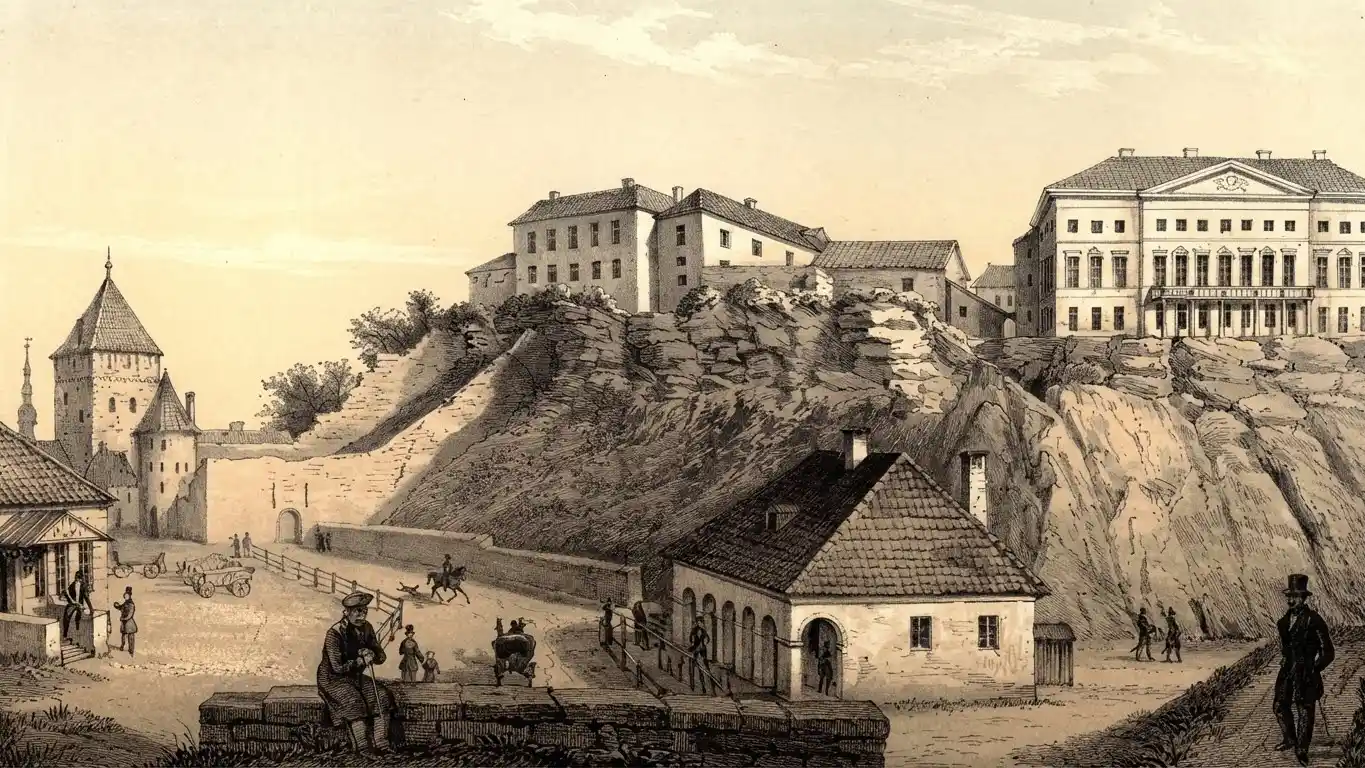
In the 19th century Tallinn was still often called Reval and belonged to the Russian Empire. The walls of the Old Town were not only medieval scenery. They marked the edge of a city where movement was slow, physical and strongly dependent on season.
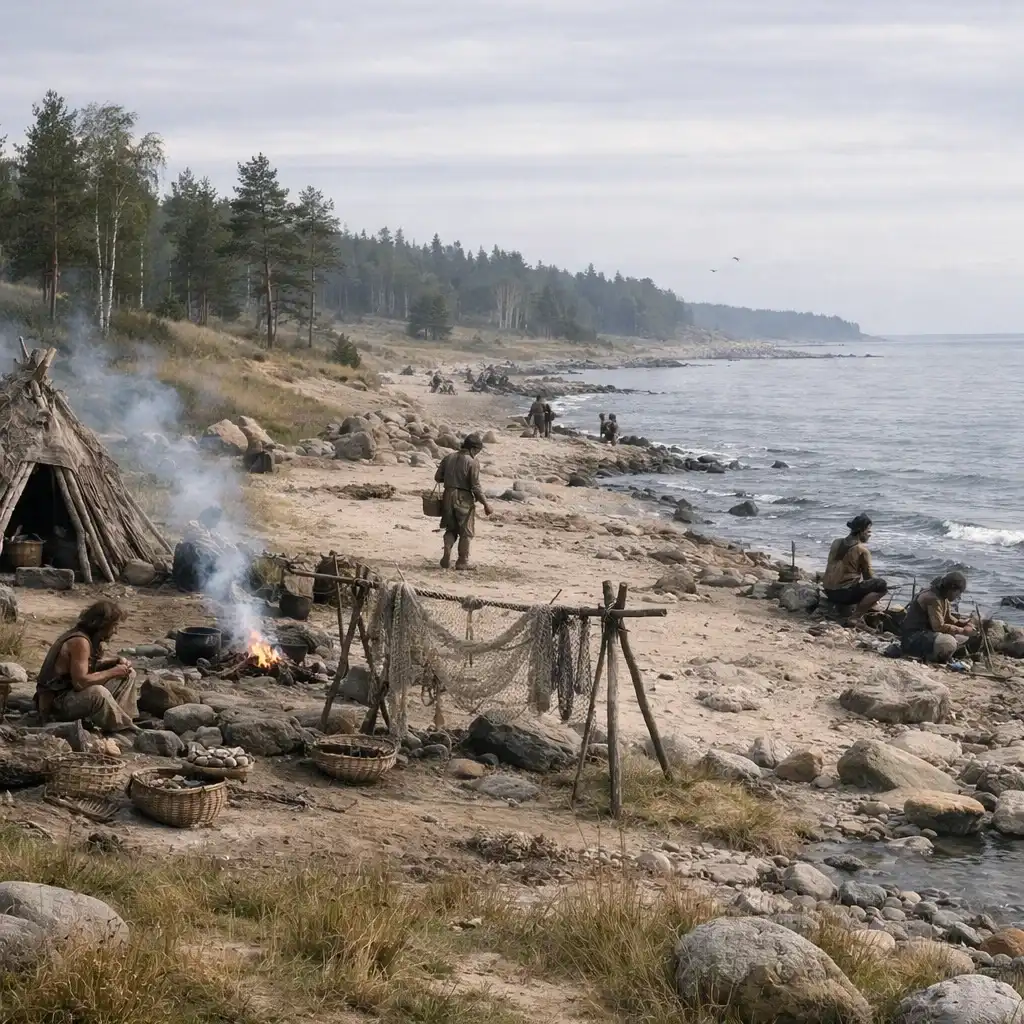
Before the railway, travel usually meant: - walking, horse-drawn carts, post roads or coastal sailing - winter journeys disrupted by ice on the Baltic - goods arriving slowly and waiting in yards and warehouses - letters from St. Petersburg taking days or even weeks
People travelled with food, extra clothing and patience, because arrival times were uncertain.
So when people later said that rail changed everything, they did not mean it made travel a bit easier. They meant it changed the basic rhythm of life.
Standing here, imagine a port city moving by season, wind, road conditions and an open or frozen harbour — not by printed timetables.
Why the Empire Wanted Rails Here
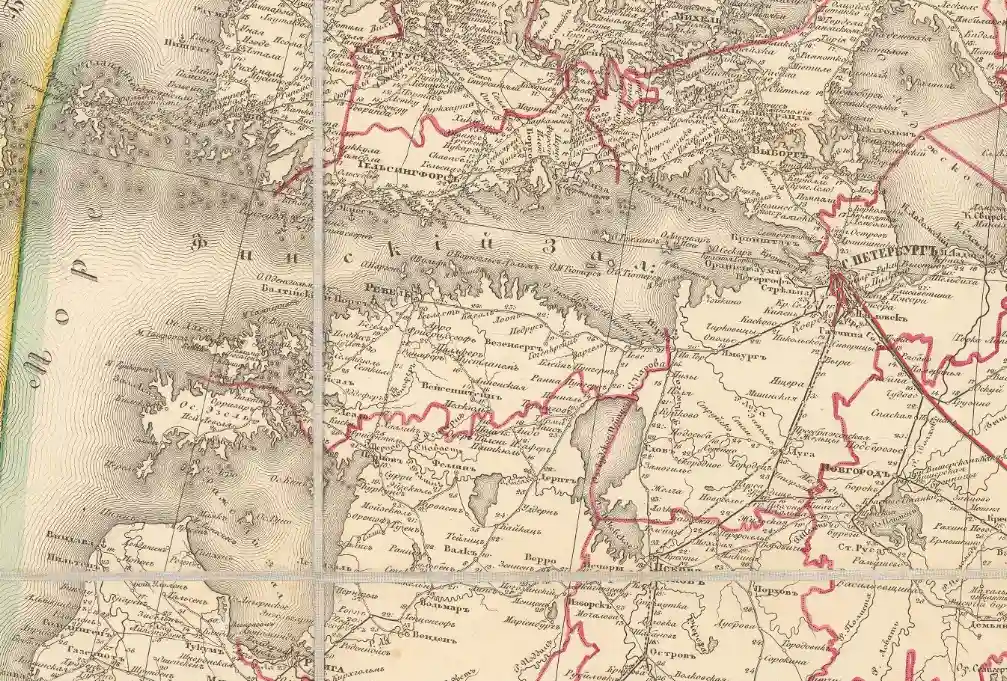
To understand why rail reached Tallinn, think like the Russian Empire in the 1860s.
St. Petersburg was the capital and needed reliable links to Baltic ports and western trade. But the old system had obvious limits: - sea routes could freeze for months - roads were slow and expensive - heavy cargo, troops and supplies moved with difficulty
The story keeps going — 18 more stops on the street
This was the beginning of chapter 1 of 5. The full route walks you stop by stop through Tallinn with audio narration in English, Estonian, and Russian, historical photos at every point, and XP for your Explorer Passport. Free, self-guided, no booking.