How Tallinn Was Born: From Sea to City
What you'll walk through
- 1
Chapter 1: A Place That Made Sense
Why Tallinn Appeared Here
↓ Preview below - 2In the app
Chapter 2: From Port to Street
How Trade Turned Movement into a City
- 3In the app
Chapter 3: A Divided City
Who Belonged — and Who Didn’t
- 4In the app
Chapter 4: Merchants in Power
How Trade Turned Into Authority
- 5In the app
Chapter 5: When a City Becomes Public
How Power Became Public
Chapter 1 · Free preview
Why Tallinn Appeared Here
Long Before Written History
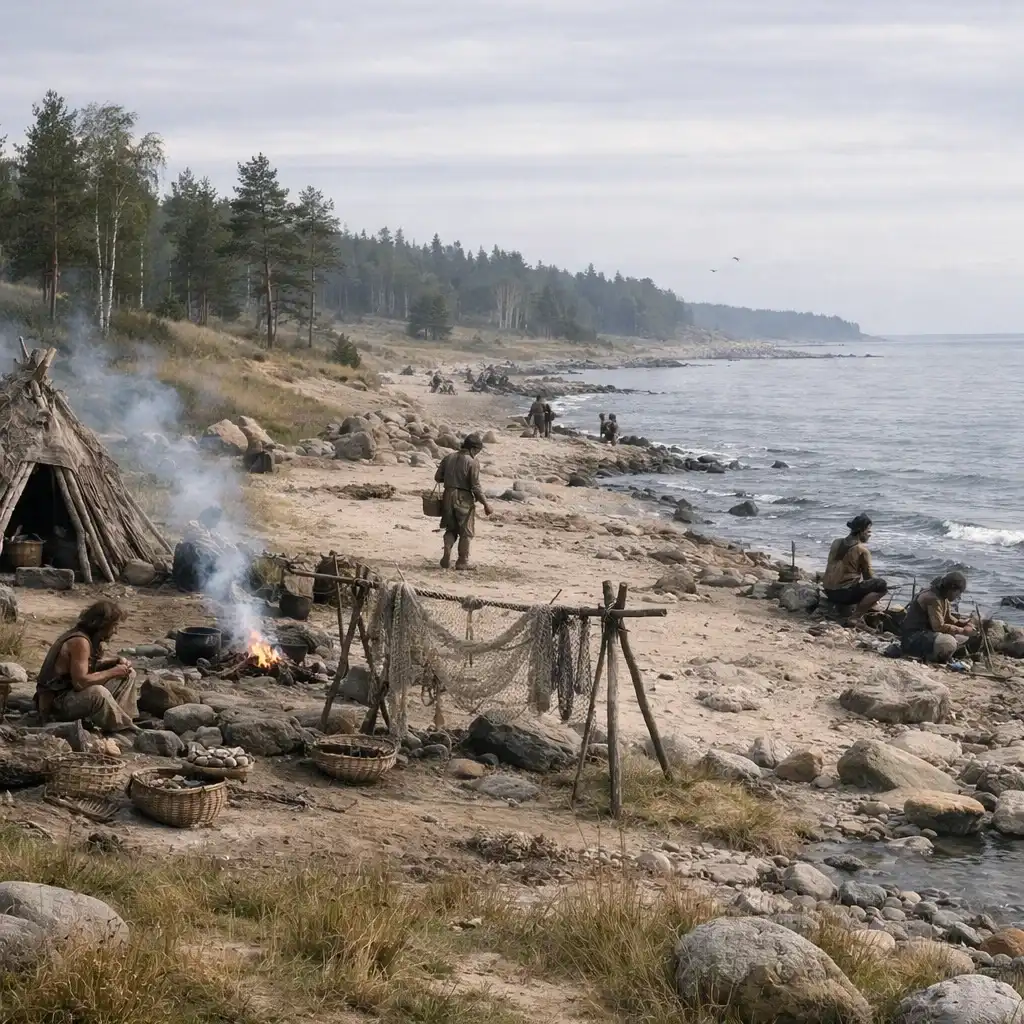
The area where you are standing did not suddenly appear in the Middle Ages. Archaeological finds show that people lived and moved along the northern Estonian coast already in the Stone Age, several thousand years ago. Fishing camps, seasonal settlements, and later farming communities existed near rivers, coastal inlets, and higher ground long before any town was imagined.
These early communities did not build cities. They followed resources and routes. What matters for Tallinn’s story is that this coastline was never empty. People knew it, used it, and returned to it repeatedly. Over centuries, knowledge of safe landing places, freshwater sources, and inland paths accumulated.
Tallinn’s story begins not with walls or rulers, but with continuity of human presence — the quiet foundation on which everything else was later built.
A Place Called Lindanise
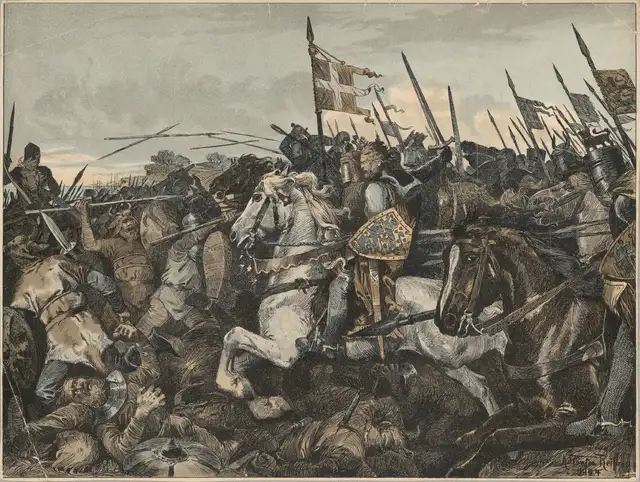
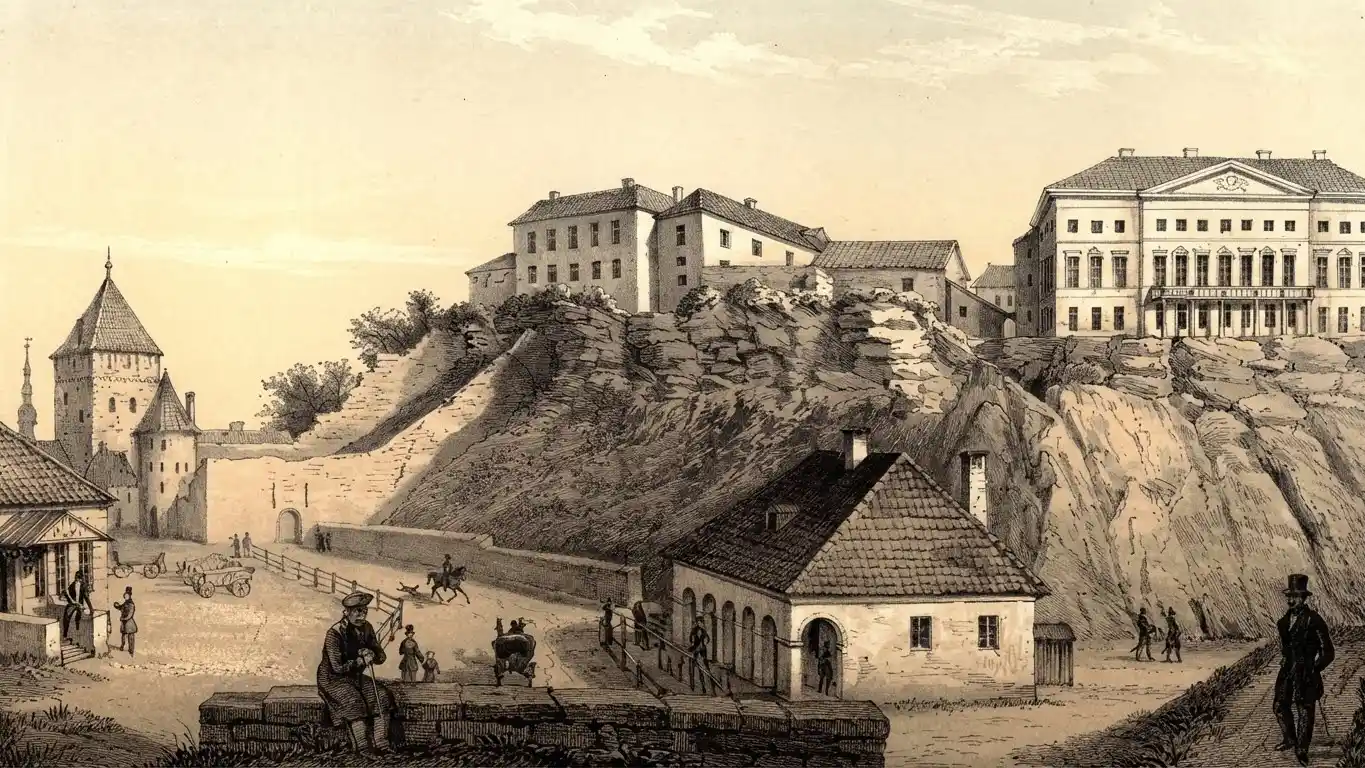
By the early Middle Ages, this coast had become part of wider Baltic networks. Scandinavian sagas and later medieval sources refer to a place known as Lindanise — a coastal stronghold or settlement associated with local Estonian tribes. While its exact nature is still debated, most historians agree that Lindanise was located here, beneath today’s Old Town.
Lindanise was not a city in the later sense. It was a fortified settlement controlling a landing place and nearby routes. From here, local leaders could oversee trade, collect tribute, and protect access to the coast. The limestone hill of Toompea above provided natural defense and visibility.
The story keeps going — 16 more stops on the street
This was the beginning of chapter 1 of 5. The full route walks you stop by stop through Tallinn with audio narration in English, Estonian, and Russian, historical photos at every point, and XP for your Explorer Passport. Free, self-guided, no booking.