Tartu WWII: The Ghost City
What you'll walk through
- 1
Chapter 1: The First Scars
Why the War Reached Lai Street
↓ Preview below - 2In the app
Chapter 2: The Burning Church
Jaani Kirik and the Moment Fire Won
- 3In the app
Chapter 3: Street of Ruins
How a Promenade Became a Corridor of Fire
- 4In the app
Chapter 4: Shadow of the Town Hall
A Square That Was Renamed — Then Marked by Fire
- 5In the app
Chapter 5: The Great Void
When a District Disappears — and the Void Keeps Changing
- 6In the app
Chapter 6: After the Fire
The War Leaves the Center — and the City Has to Decide What Returns
Chapter 1 · Free preview
Why the War Reached Lai Street
1939–1940: Estonia Gets Pulled In
To understand why war reaches Tartu, you need one key idea: Estonia’s situation changes before a single shell lands in this city.
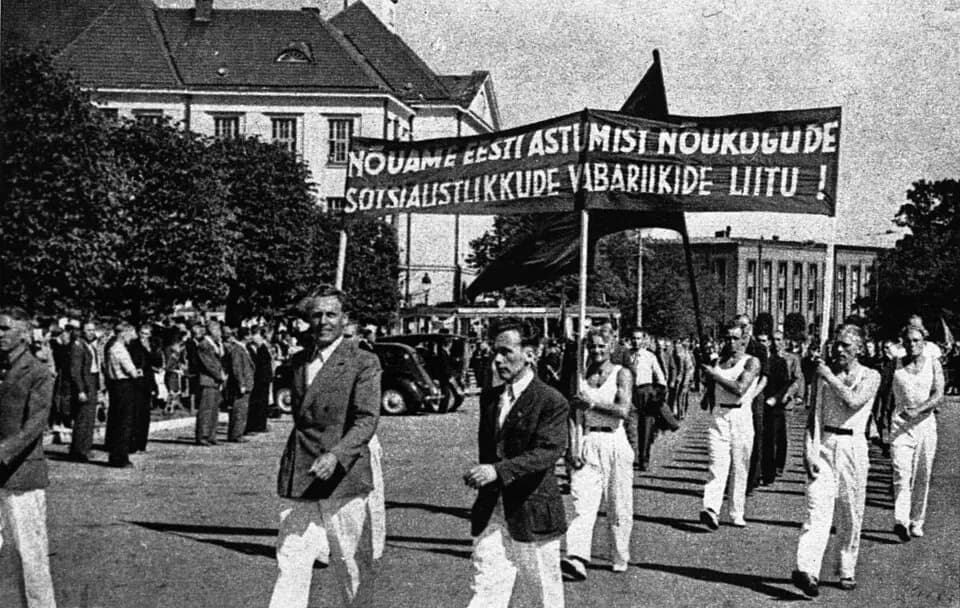
In September 1939, Estonia signs a mutual assistance treaty with the Soviet Union that allows Soviet military bases and troops on Estonian territory. In June 1940, Soviet forces take control of Estonia’s state institutions. In August 1940, Estonia is formally incorporated into the USSR as the Estonian SSR.
For ordinary people, this isn’t an abstract diplomatic shift. It changes the logic of daily life: - the presence of foreign troops becomes normal, - security structures expand, - censorship and political risk increase, - and the state begins preparing for a war it cannot control.
That is why, when the German–Soviet war begins in 1941, Estonia is no longer a neutral observer. In military planning, the territory is treated as part of the Soviet rear and logistics space — which makes cities like Tartu part of the target map long before the first fires appear on the skyline.
22 June 1941: Why the Front Moves Toward Tartu
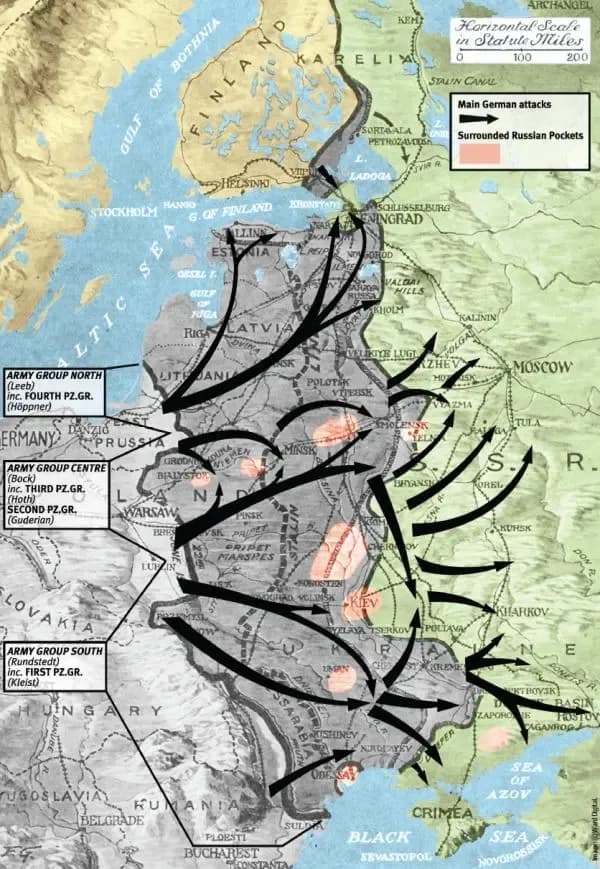
On 22 June 1941, Germany launches Operation Barbarossa against the Soviet Union.
In the northern direction, one major aim is the push toward Leningrad, and Estonia becomes strategically important as both a corridor and a flank. The campaign is not only about cities — it is about movement: roads, bridges, rail lines, airfields, and river crossings.
The story keeps going — 23 more stops on the street
This was the beginning of chapter 1 of 6. The full route walks you stop by stop through Tartu with audio narration in English, Estonian, and Russian, historical photos at every point, and XP for your Explorer Passport. Free, self-guided, no booking.