Kalamaja: From Fish House to Elite Street
What you'll walk through
- 1
Chapter 1: Fish House at the City Edge
Kalamaja Before the Factories
↓ Preview below - 2In the app
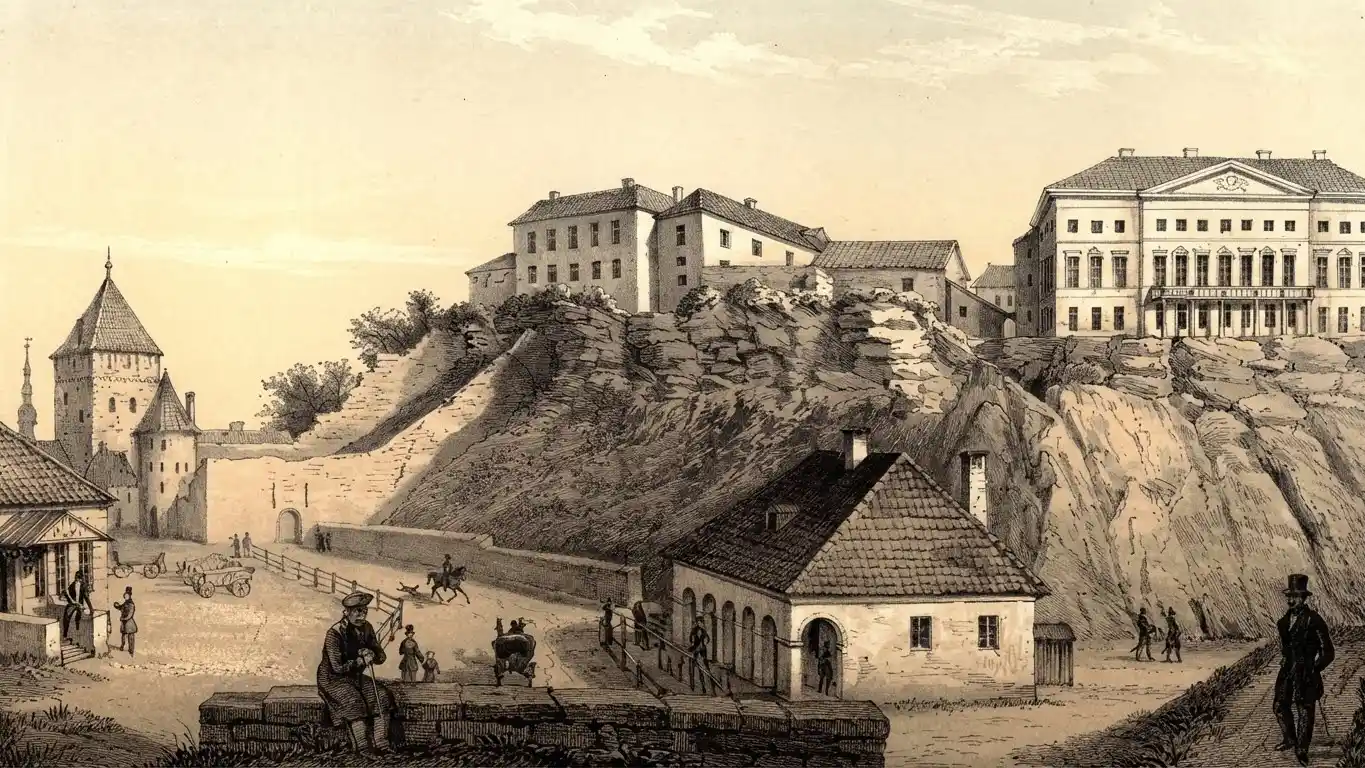
Chapter 2: From Edge to Suburb (1470s–1840s)
Kalamaja: When the “Outside” Became a Place
- 3In the app
Chapter 3: Smoke to Sparks (1875–1917)
Industry Near You, Housing Around You
- 4In the app
Chapter 4: The Rewrite of Value (1918–2023)
From Worker District to Elite Street
Chapter 1 · Free preview
Kalamaja Before the Factories
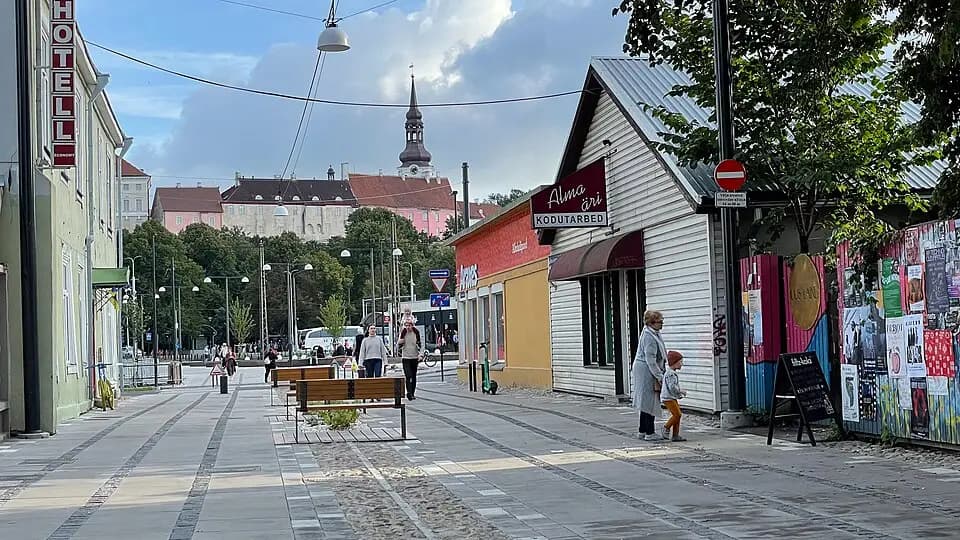
2023 Street, Medieval Geography
This street is new. The corridor is not.
Tallinn’s medieval city grew behind walls: dense, valuable, and careful about what happened inside. The shoreline just outside the walls worked differently. It needed space, wind, and direct access to water.
That is why Kalamaja exists.
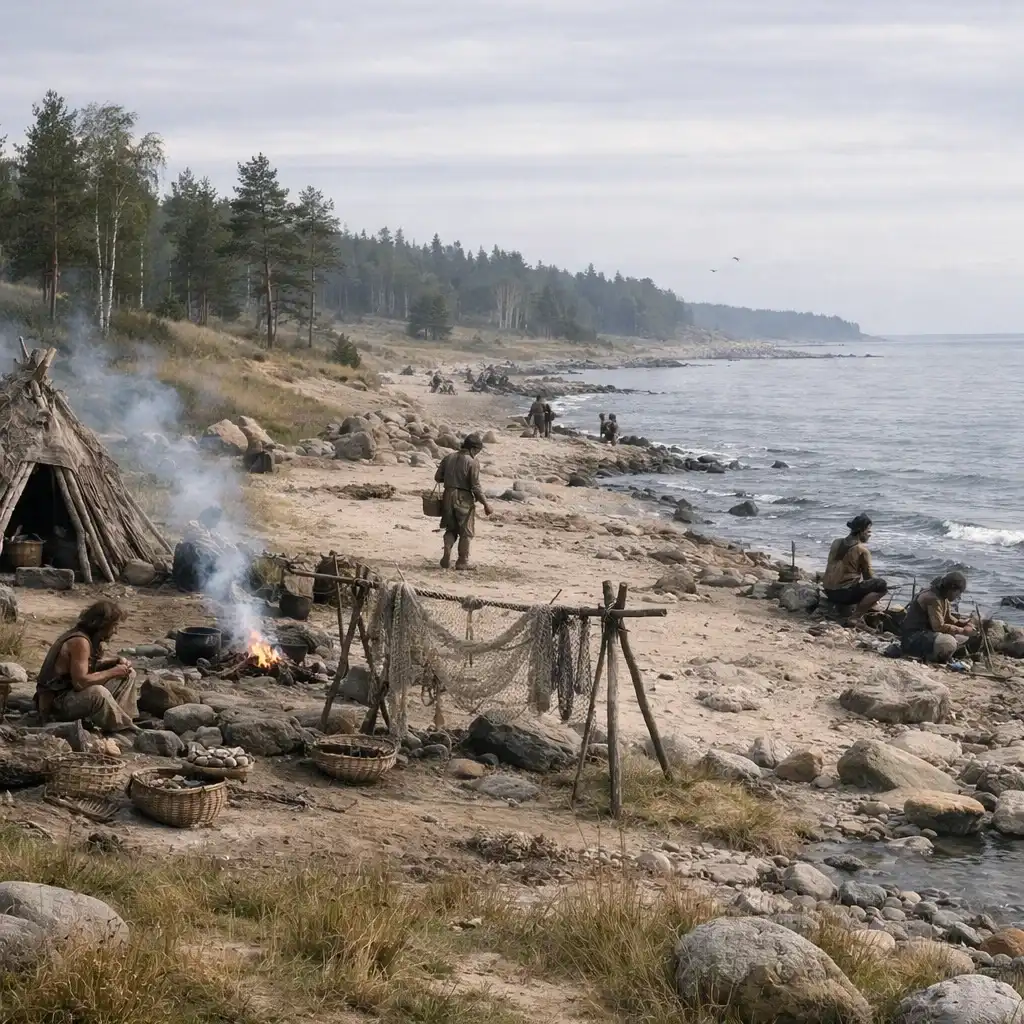
In the Middle Ages, the Old Town depended on the sea for supply and movement. But the jobs connected to the sea — handling fish, repairing boats, drying nets, storing gear, loading and unloading — were messy and physical. They belonged outside the tight stone town.
So Kalamaja began as an edge zone with a clear purpose: serve the city, without being the city.
As you walk this modern “elite” corridor, imagine the first version of the same route: not cafés, not design — but yards, sheds, smoke, ropes, and the constant timing problem of fish that cannot wait.
This chapter gives you the foundation layer: what Kalamaja was called, what that name meant in practice, and why this district became one of Tallinn’s oldest lived-in edges.
14th Century: A Name That Doesn’t Try to Impress
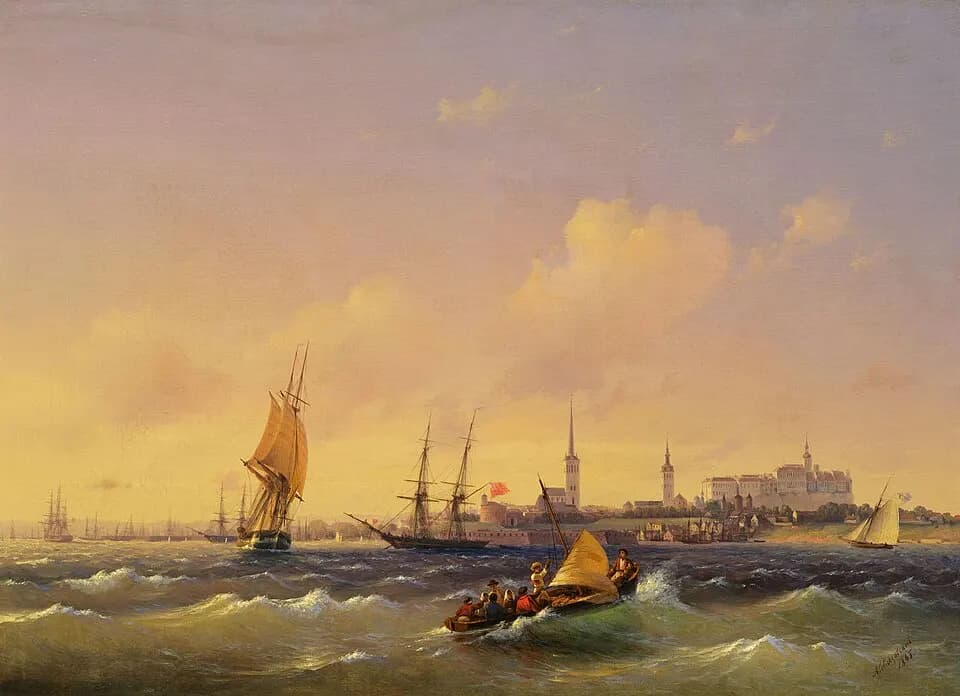
Kalamaja means “Fish House.”
That name is already established by the 14th century, when this area is tied to fishing and fish trade.
The story keeps going — 15 more stops on the street
This was the beginning of chapter 1 of 4. The full route walks you stop by stop through Tallinn with audio narration in English, Estonian, and Russian, historical photos at every point, and XP for your Explorer Passport. Free, self-guided, no booking.