Narva: From River Crossing to Merchant City
What you'll walk through
- 1
Chapter 1: Why This Crossing Mattered
Why a town grew between the river and the castle
↓ Preview below - 2In the app
Chapter 2: A City Worth Taking Whole
Fire, merchant ships and two banks under one ruler
- 3In the app
Chapter 3: 3,000 people Building Defences
How the bastions worked, and why they could not keep the city safe forever
- 4In the app
Chapter 4: How Narva Spent Its Wealth
Homes, civic power and merchants with grand ambitions
Chapter 1 · Free preview
Why a town grew between the river and the castle
The River That Made Travellers Stop
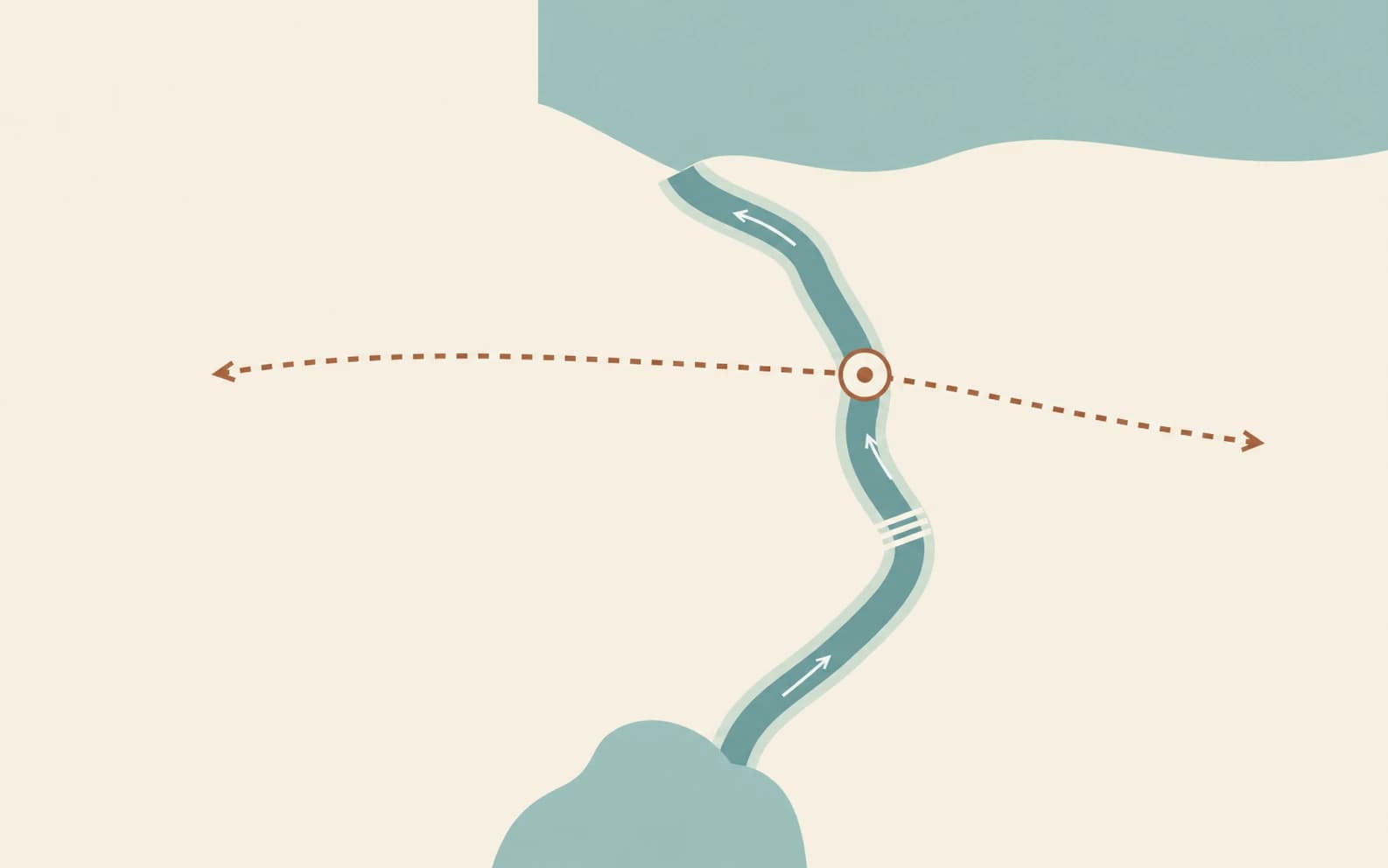
To understand why Narva grew here, look at the water. The river runs from Lake Peipus to the Gulf of Finland. It sounds simple: get into a boat and head for the sea. But upstream lie waterfalls. There was no clear waterway all the way through.
The overland route between the western lands and Novgorod faced a different problem: it had to cross the river. Here, two needs met: travelling along the water and reaching the opposite bank. The crossing made this place valuable long before the castle towers appeared.
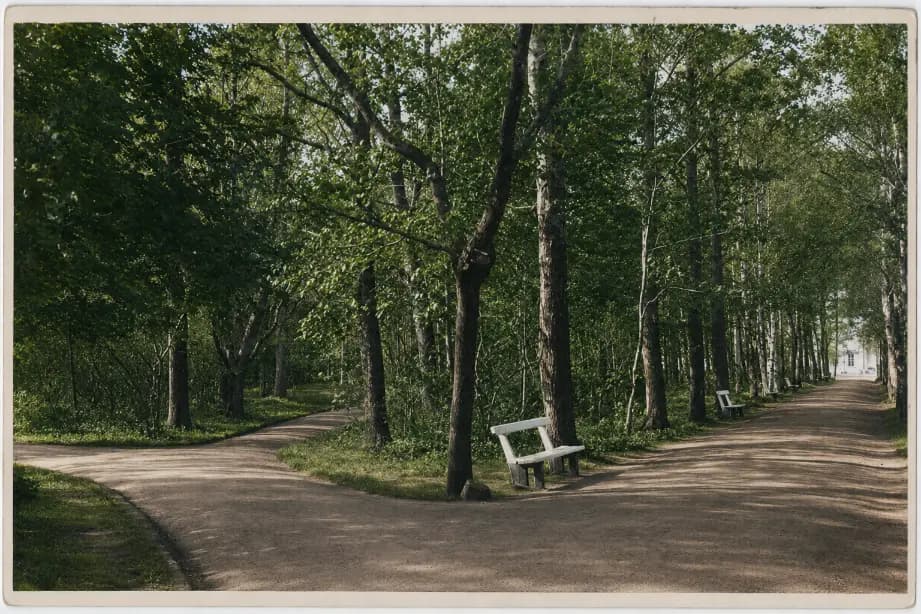
Follow the promenade towards the castle. From here, we will walk to the Town Hall, tracing the journey from a river crossing to the heart of a merchant city.
People Lived Here Long Before the Danes
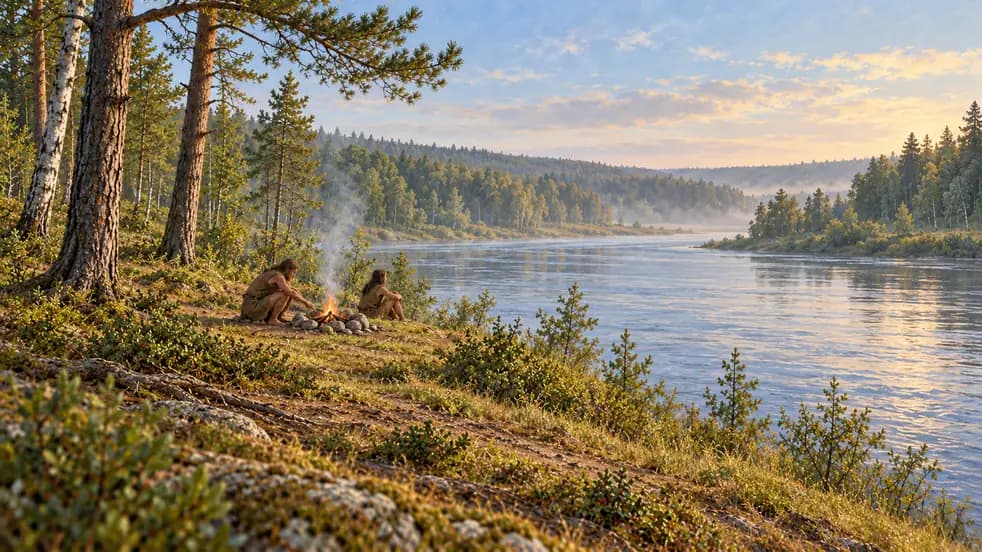
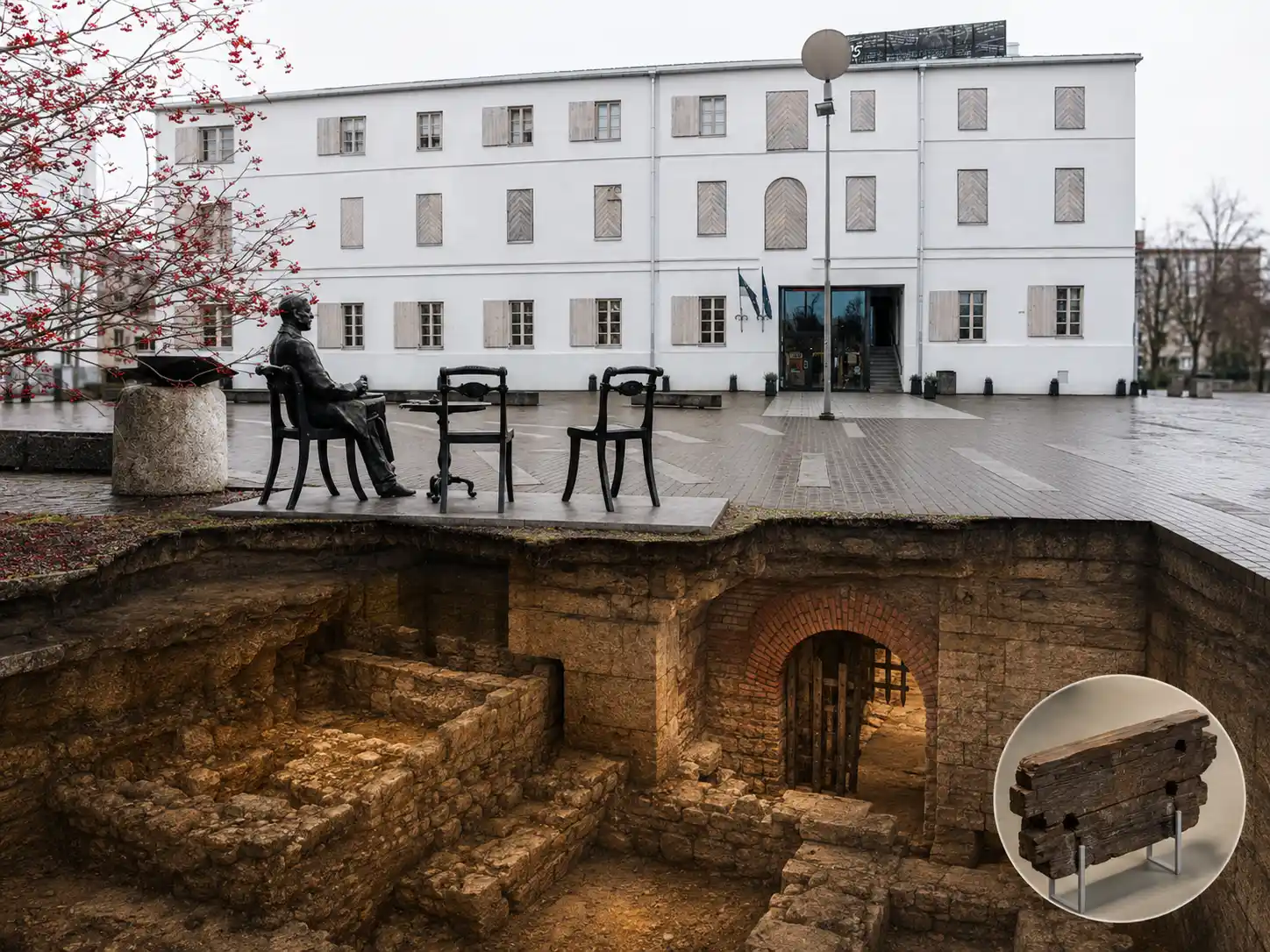
In Joaorg, where our walk begins, archaeologists have found traces of Stone Age settlements, including hearths built from stones. People lived beside this river thousands of years before the town existed.
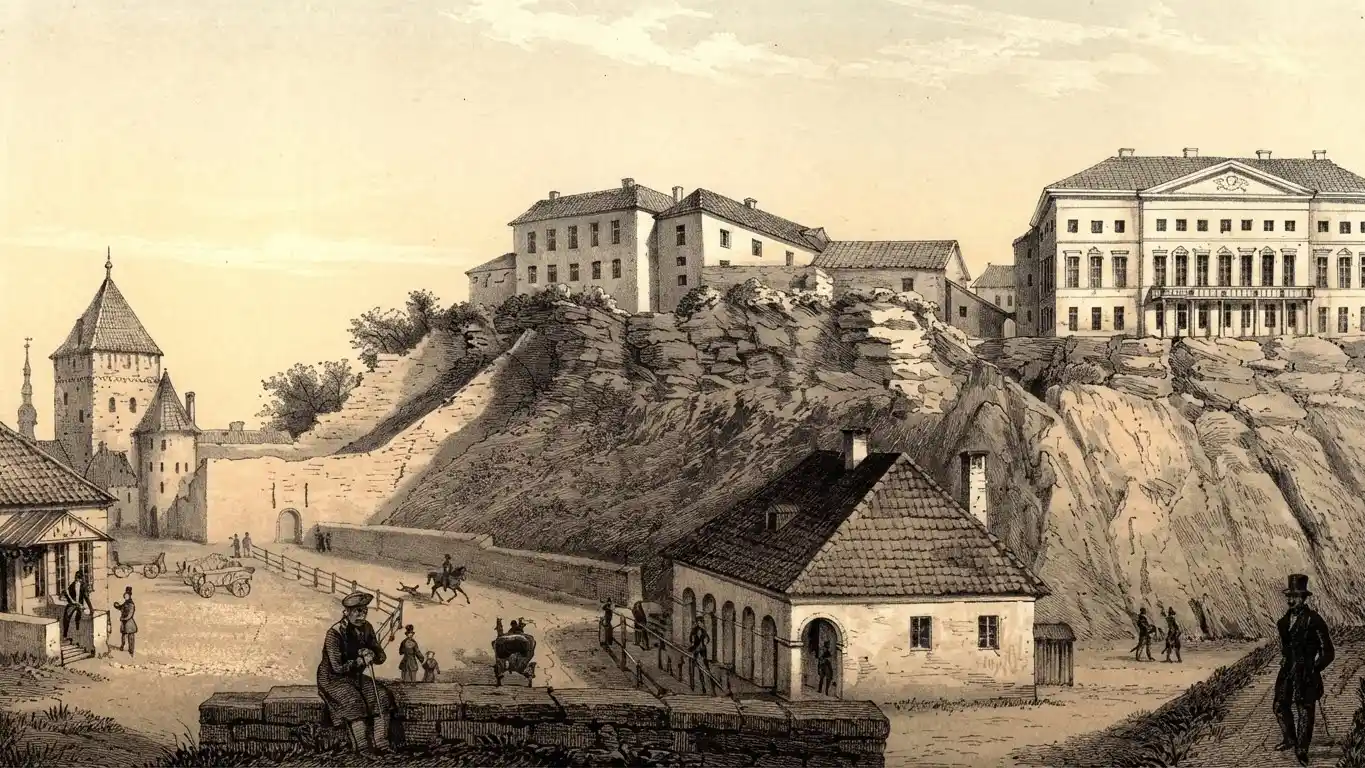
In the 13th century, northern Estonia belonged to the Danish king. For him, Narva lay on the distant eastern edge of his lands, at an important river crossing. A castle was built here, and a settlement grew under its protection.
The story keeps going — 13 more stops on the street
This was the beginning of chapter 1 of 4. The full route walks you stop by stop through Narva with audio narration in English, Estonian, and Russian, historical photos at every point, and XP for your Explorer Passport. Free, self-guided, no booking.