Pärnu: How the City Learned to Sell Summer
What you'll walk through
- 1
Chapter 1: Summer Becomes a City of Its Own
From a Designed Season to the Resort’s Public Living Room
↓ Preview below - 2In the app
Chapter 2: Treatment Becomes Modern Leisure
From a Burned Bathhouse to the White City by the Sea
- 3In the app
Chapter 3: Summer Survives a Change of Power
From a Trade-Union Voucher to the Summer Capital
Chapter 1 · Free preview
From a Designed Season to the Resort’s Public Living Room
The Sea Alone Does Not Make a Resort
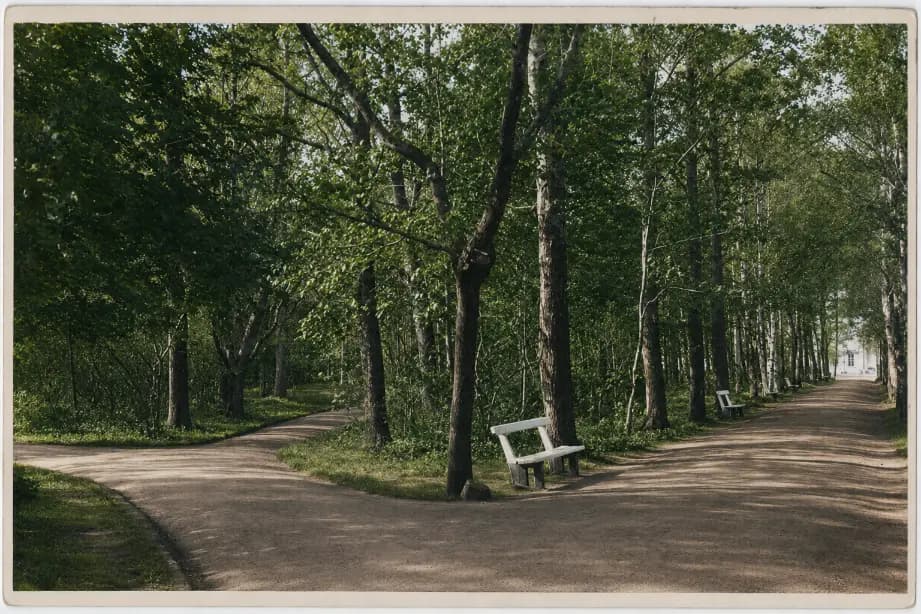
A green road from the city to the sea begins before you. Today it feels natural: a park, villas, paths, and the beach ahead. Yet none of this appeared simply because Pärnu happened to have a shoreline.
The sea had always been here. The resort emerged only when the town learned to organise everything around it: arrival, accommodation, treatment, the promenade, dinner, and evening entertainment. The weather could not be controlled, but even a cool day could be made enjoyable for the visitor — and profitable for the town.
By the late nineteenth century, summer had ceased to be merely a short natural season and became a separate urban system. This walk follows its main axis: from the designed park, through the world of private villas, to public life by the sea.
First, the City Designed the Walk Itself
For a visitor to want to stay, a place to bathe was not enough. The day itself needed a clear structure, with one activity leading naturally to the next.
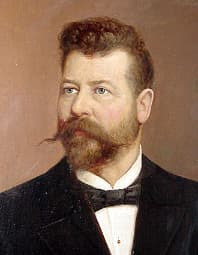
The town created a resort committee and a paid post of bathing inspector. His task was to connect treatment facilities, accommodation, service, and advertising into one functioning system. At Pärnu’s request, Riga parks director Georg Kuphaldt drew up a plan for the seaside district, with avenues, sports grounds, a cycle track, children’s play areas, and plots for villas.
The story keeps going — 15 more stops on the street
This was the beginning of chapter 1 of 3. The full route walks you stop by stop through Pärnu with audio narration in English, Estonian, and Russian, historical photos at every point, and XP for your Explorer Passport. Free, self-guided, no booking.