Pärnu: From Two Towns to the Summer Capital
What you'll walk through
- 1
Chapter 1: Why Pärnu Was Born Twice
From an Ancient River to New Pärnu’s Victory
↓ Preview below - 2In the app
Chapter 2: The Town That Profited by Making Cargo Stop
The Journey of Cargo Through Hanseatic New Pärnu
- 3In the app
Chapter 3: The Wealth That Had to Be Defended
From Commercial Centre to Swedish Fortress
- 4In the app
Chapter 4: The Town That Shed Its Armour
From Fortress to Summer Capital
Chapter 1 · Free preview
From an Ancient River to New Pärnu’s Victory
The City Begins Beneath Your Feet
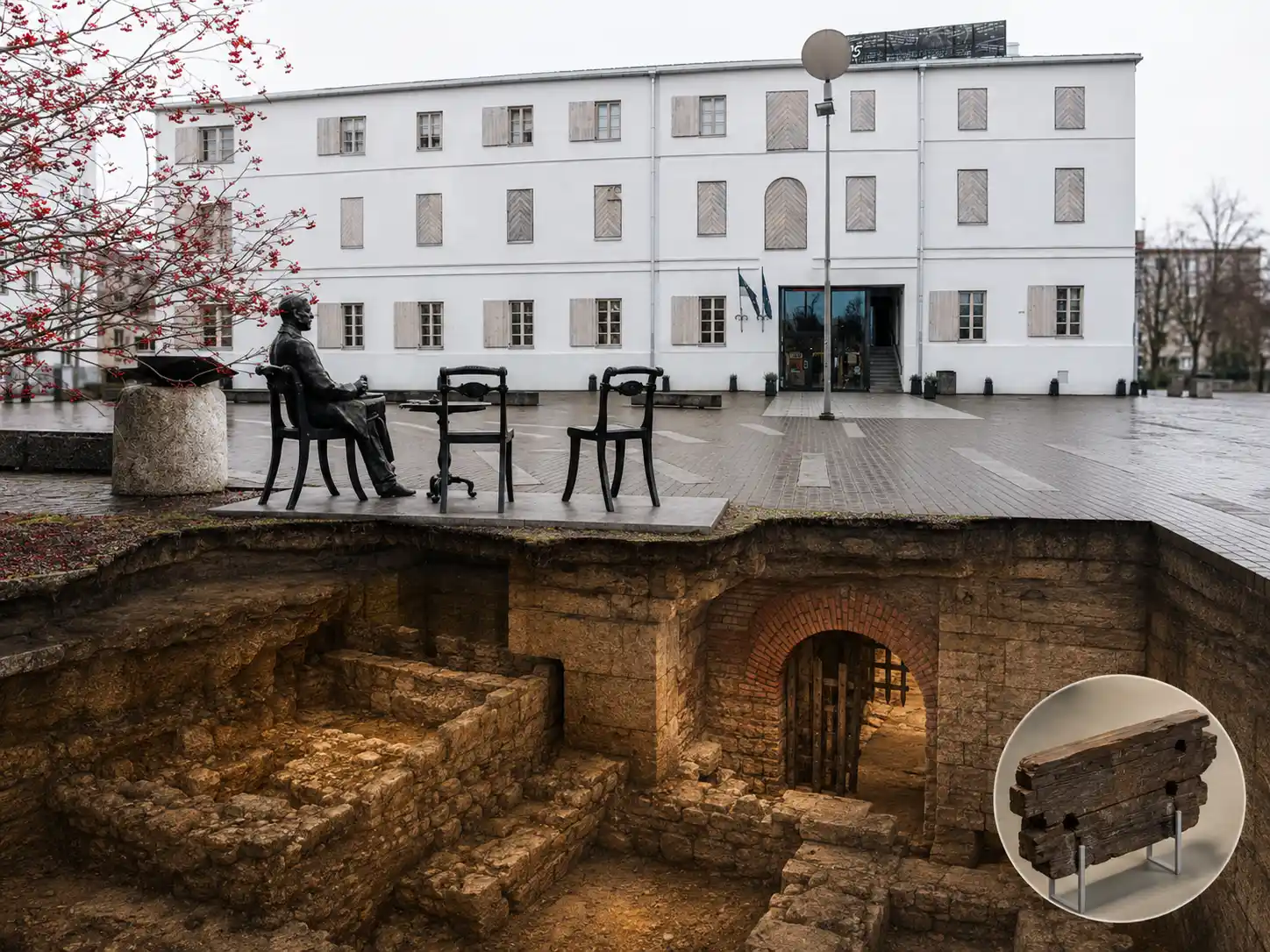
Pärnu Museum does not merely stand beside the old town — it was built directly above one of its entrances. Beneath the lobby floor lie the remains of the River Gate, which connected medieval New Pärnu with the harbour.
These are not relocated ruins or a museum reconstruction. The stones remain where people, carts and cargo once passed. Beyond the gate began a street leading toward the market, town hall and the city’s principal church.
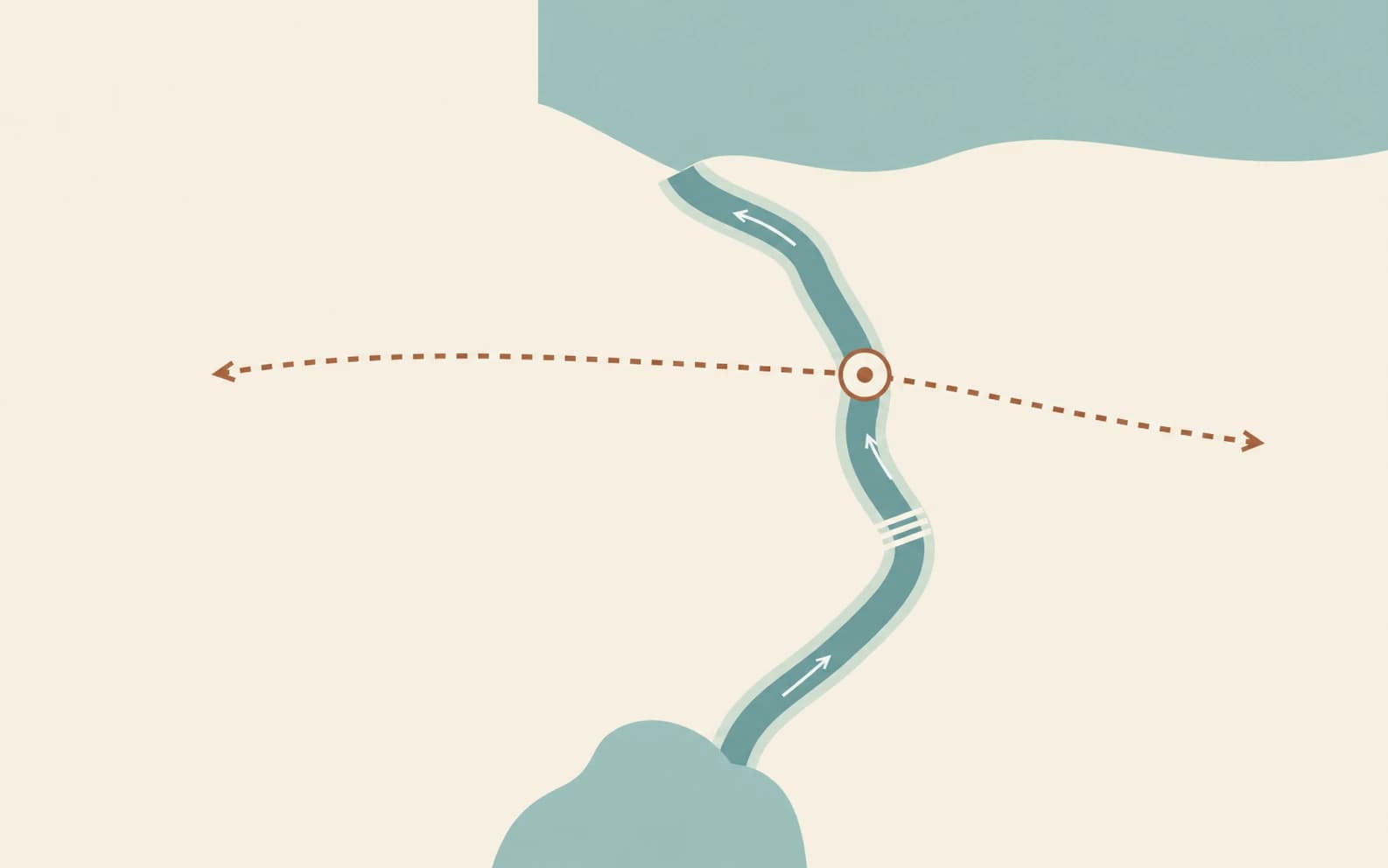
But before following that route, there is a more important question to ask: why did a city appear here at all? The answer predates the walls, the merchants and the Livonian Order. It began with the river — an ancient road linking the inland territories with the sea.
The River Was a Road Long Before the City
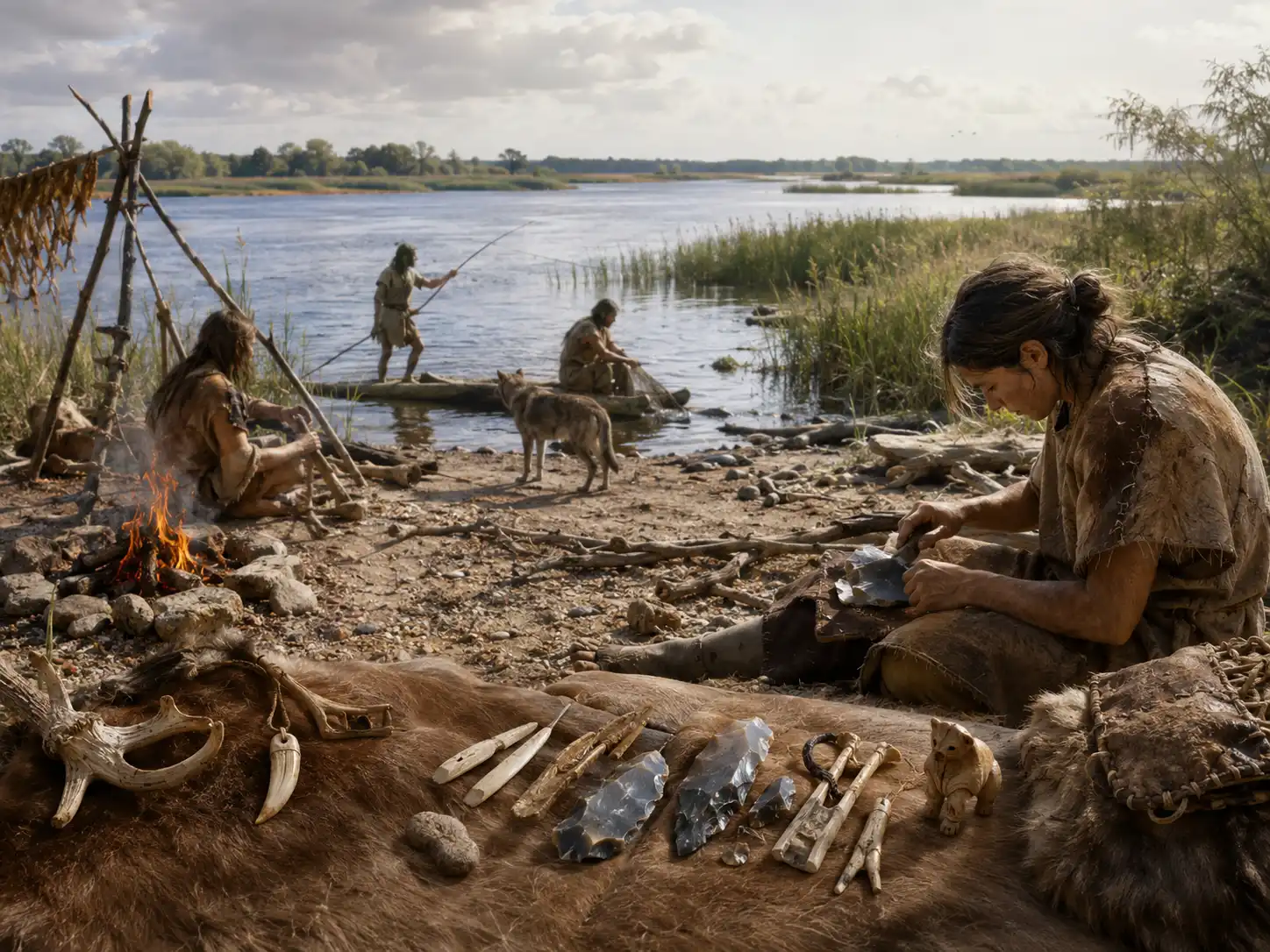
Farther upstream at Pulli, archaeologists found the oldest known settlement in Estonia. People stopped there around eleven thousand years ago — probably mainly during the warmer season, when the river provided more food and made travel easier.
The site preserved hearths, traces of stakes and tools made from flint, bone and antler. Among the finds was a dog tooth — the oldest known evidence of a domestic dog in Estonia. Pärnu County also yielded one of the earliest human-shaped figures in the Baltic region, carved from moose antler.
The story keeps going — 15 more stops on the street
This was the beginning of chapter 1 of 4. The full route walks you stop by stop through Pärnu with audio narration in English, Estonian, and Russian, historical photos at every point, and XP for your Explorer Passport. Free, self-guided, no booking.