Noblessner: Shipyard to Seaside
What you'll walk through
- 1
Chapter 1: Steel Before Secrets
Why Noblessner could exist only in the age of heavy industry
↓ Preview below - 2In the app
Chapter 2: Kalev Slipway
Where ships were hauled out - and a navy became real
- 3In the app
Chapter 3: Marina Office
How a closed naval coastline became public again - but not fully
- 4In the app
Chapter 4: From Fence to Quarter
How a closed waterfront gets rewritten into a public district
- 5In the app
Chapter 5: The Closed Gate
From forgotten shore to premium district - and the border that remains
Chapter 1 · Free preview
Why Noblessner could exist only in the age of heavy industry
1914: Winter Was a Strategic Variable
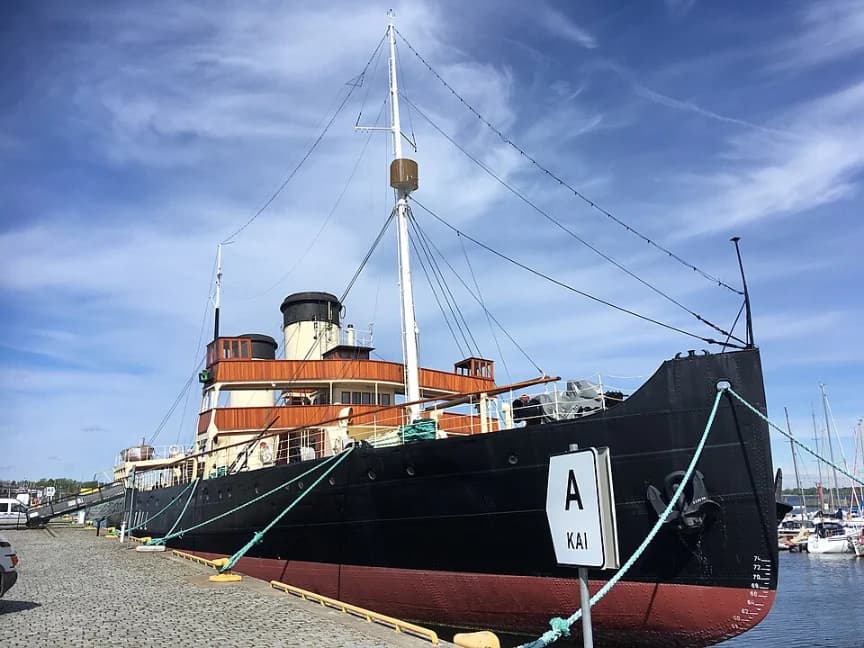
Start here by Suur Toll and notice what it represents: not romance, but logistics.
In the early 20th century, ports were not just places by the sea. They were industrial arteries. If a port stopped functioning in winter, the entire chain behind it slowed down: fuel, steel, food, military supply.
That is why 1914 matters right at the start of this story. Suur Toll was built in 1914 to break ice in Tallinn Bay - an engineering answer to a political and economic need: keep the coastline usable even when nature tries to close it.
Now connect that logic to Noblessner. A submarine shipyard is not a craft workshop. It needs: - steady deliveries of steel and machinery, - reliable sea access for launching and trials, - and an industrial harbor that can operate predictably.
So before we even say the word submarine, you should feel the real foundation of this route: Tallinn's coastline becomes valuable when it becomes reliable. And reliability in the Baltic means winning against ice.
1912: Noblessner Is Founded on Purpose
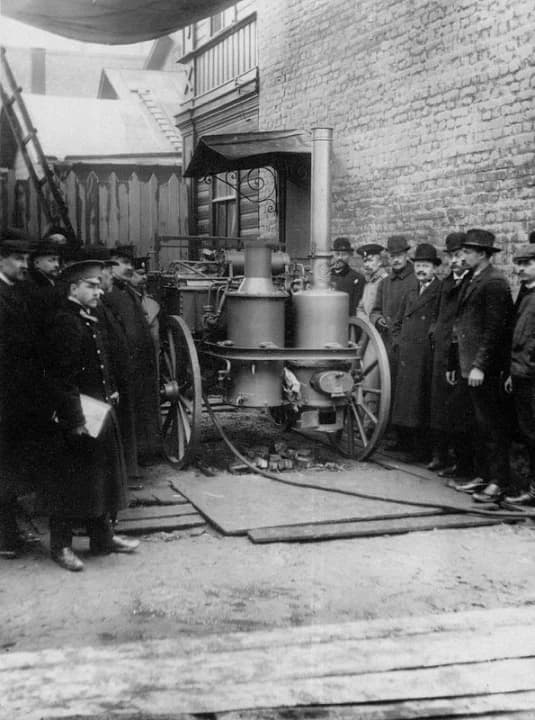
Now the route locks onto a date: 1912.
That year, Imperial Russia's principal submarine shipyard was established here in Tallinn by two St. Petersburg businessmen: Emanuel Nobel and Arthur Lessner. The name Noblessner is literally the fusion of their surnames.
The story keeps going — 18 more stops on the street
This was the beginning of chapter 1 of 5. The full route walks you stop by stop through Tallinn with audio narration in English, Estonian, and Russian, historical photos at every point, and XP for your Explorer Passport. Free, self-guided, no booking.