Rotermann: From Trade Yard to Industrial Heart
What you'll walk through
- 1
Chapter 1: Why This Place Exists
Before Rotermann was a district, it was a perfect trap for trade
↓ Preview below - 2In the app
Chapter 2: Steam & Succession
When the family business turns into a machine
- 3In the app
Chapter 3: Golden Age → 1940
The district that fed Tallinn — until history took the keys
- 4In the app
Chapter 4: 1940 → Today
Taken, repurposed, abandoned — and rebuilt
Chapter 1 · Free preview
Before Rotermann was a district, it was a perfect trap for trade
Start here — then rewind 200 years
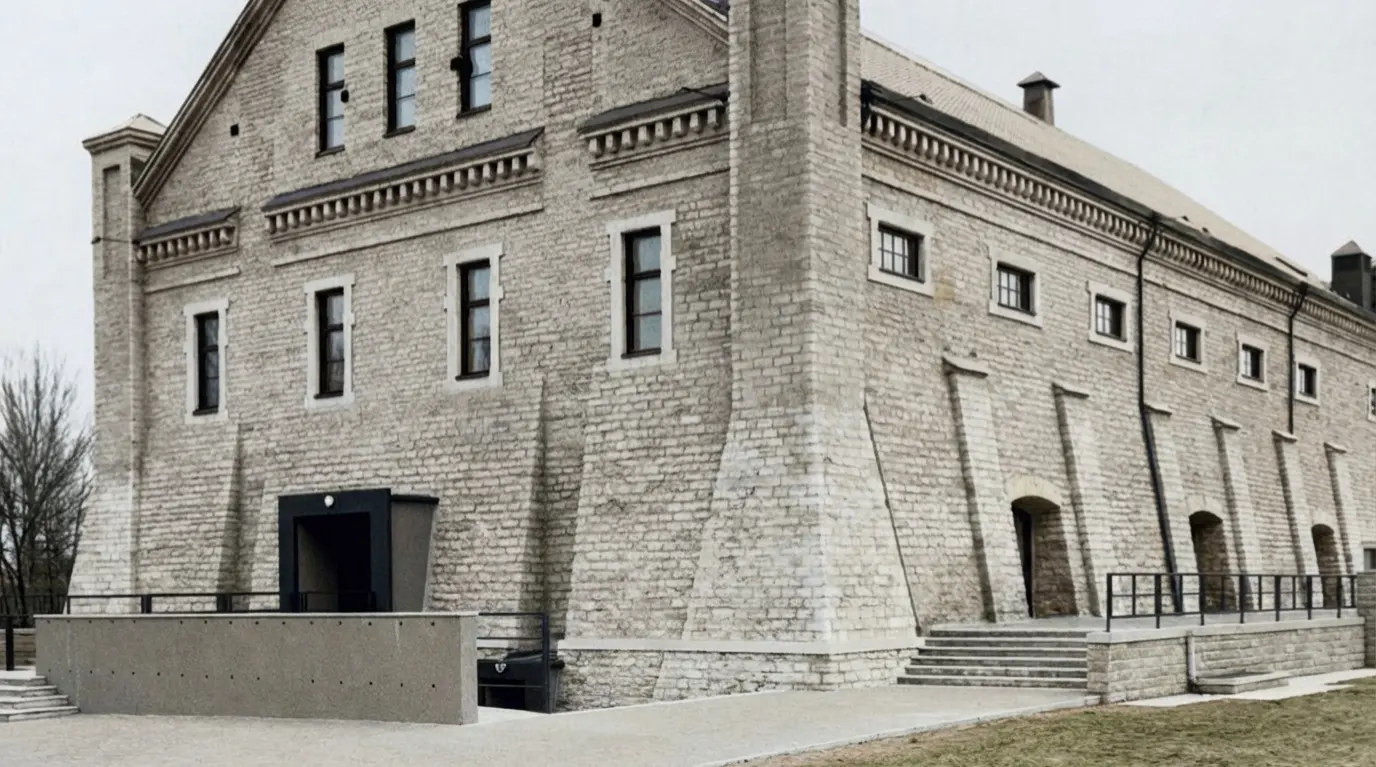
You’re standing beside a building that looks calm and heavy, as if it has always belonged to modern Tallinn.
But Rotermann did not begin as a polished quarter. It began as a practical problem:
How do you move goods between the harbour and the city without choking the medieval streets?
This strip of land had a rare advantage. Behind you: the port and the sea. Nearby: the Old Town — dense, walled, and expensive. Ahead: roads leading Tallinn outward.
So even before the factories, this was valuable ground. It was the edge where the city could expand without breaking its old centre.
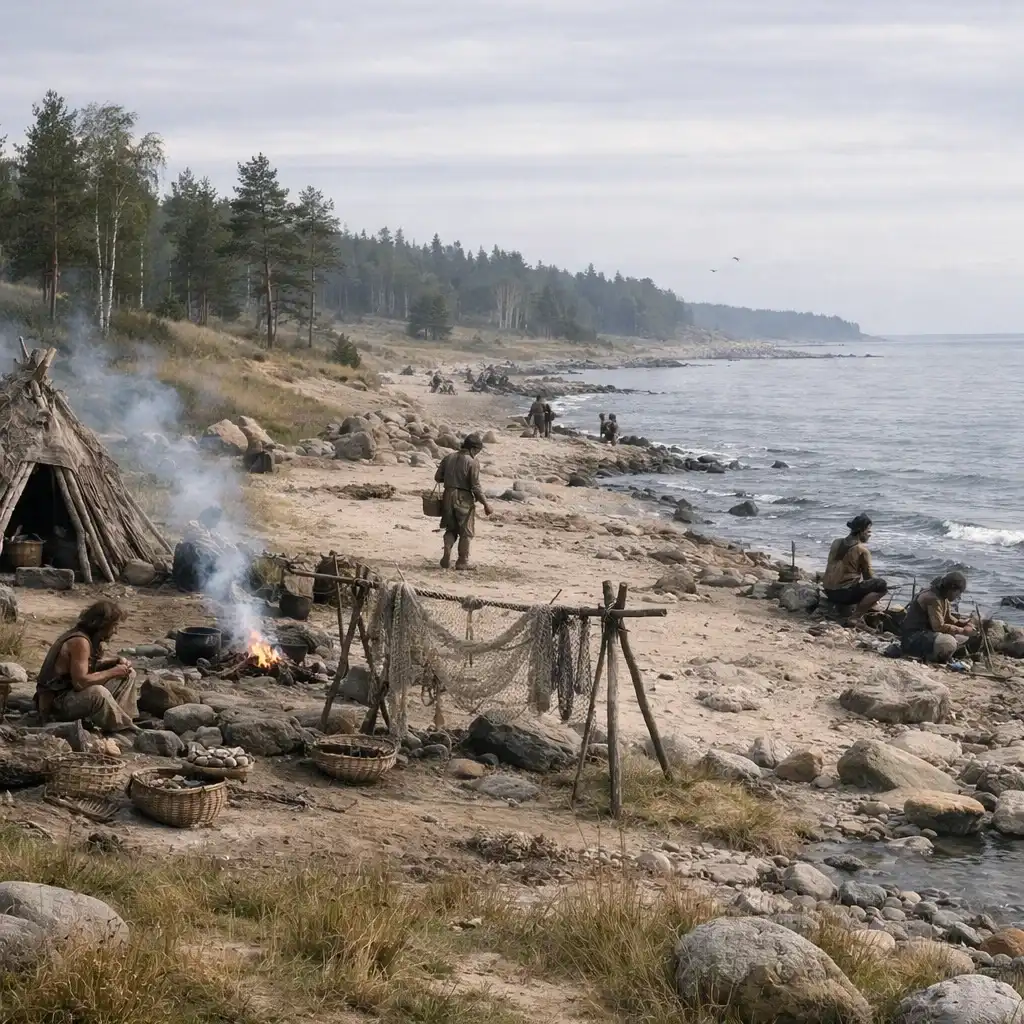
Now imagine the same area before cafés, glass, and design lighting.
No clean courtyards. No smooth stone plazas. Instead: storage yards, carts, timber piles, wet limestone, mud, noise, shouting — and the steady rhythm of loading and unloading.
Rotermann looks polished today, but the story begins with something less romantic:
This place was built to work.
The building beside you is a good symbol of that. Even as we rewind to the 1820s, it tells the basic truth: Rotermann was not created to be pretty. It was created to be useful.
The city ends. The ‘outside’ begins.
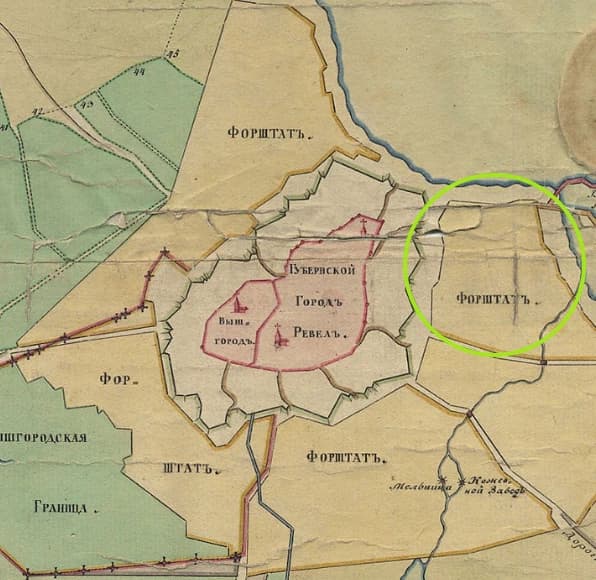
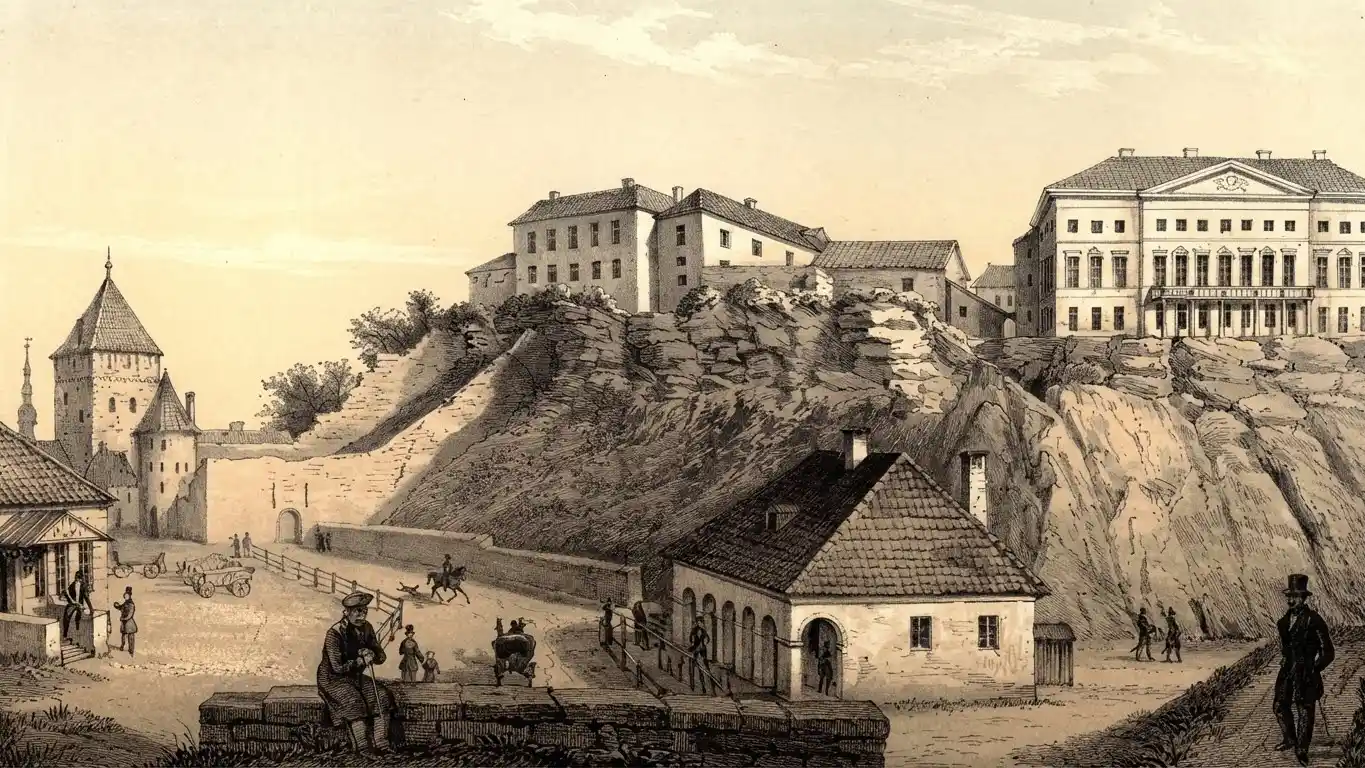
Look at this old map.
In the early 1800s, Tallinn is still shaped by medieval logic. The city is compact. The walls matter. The gates matter.
The story keeps going — 15 more stops on the street
This was the beginning of chapter 1 of 4. The full route walks you stop by stop through Tallinn with audio narration in English, Estonian, and Russian, historical photos at every point, and XP for your Explorer Passport. Free, self-guided, no booking.