Tallinn's Medieval Defenses: Walls, Gates & Survival
What you'll walk through
- 1
Chapter 1: Before the Walls
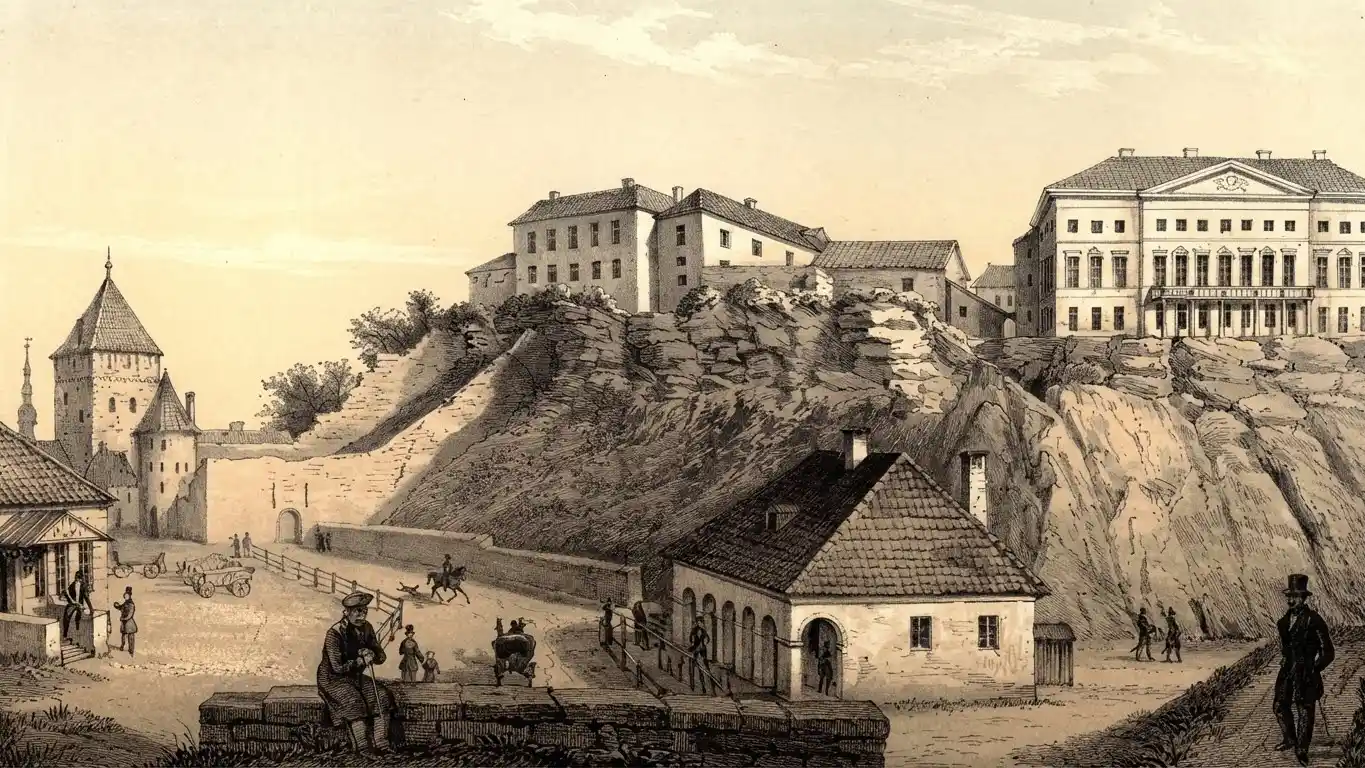
Why Tallinn Needed Defense Before It Needed Beauty
↓ Preview below - 2In the app
Chapter 2: Inside the Wall Corridor (Müürivahe — South)
You Crossed the Filter. Now You Walk the Seam.
- 3In the app
Chapter 3: Gunpowder Pressure on the South Wall
When the Enemy Can Break Stone From a Distance
- 4In the app
Chapter 4: Bastions and Collapse (Vabaduseväljak Zone)
When Walls Fail, Cities Hide in Earth — and Still Break
- 5In the app
Chapter 5: Kiek in de Kök — The Tower That Actually Fought
Built for Cannons. Modified for Cannons. Hit by Cannons.
Chapter 1 · Free preview
Why Tallinn Needed Defense Before It Needed Beauty
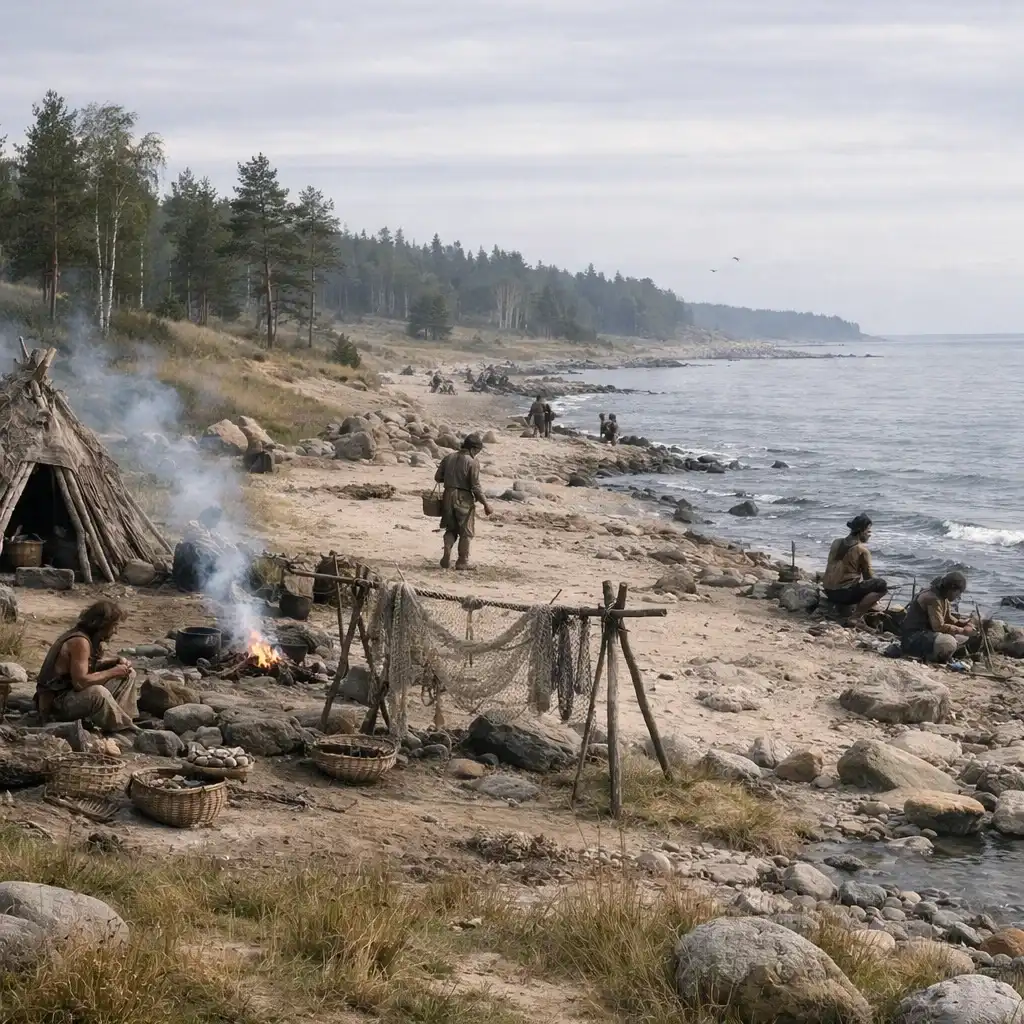
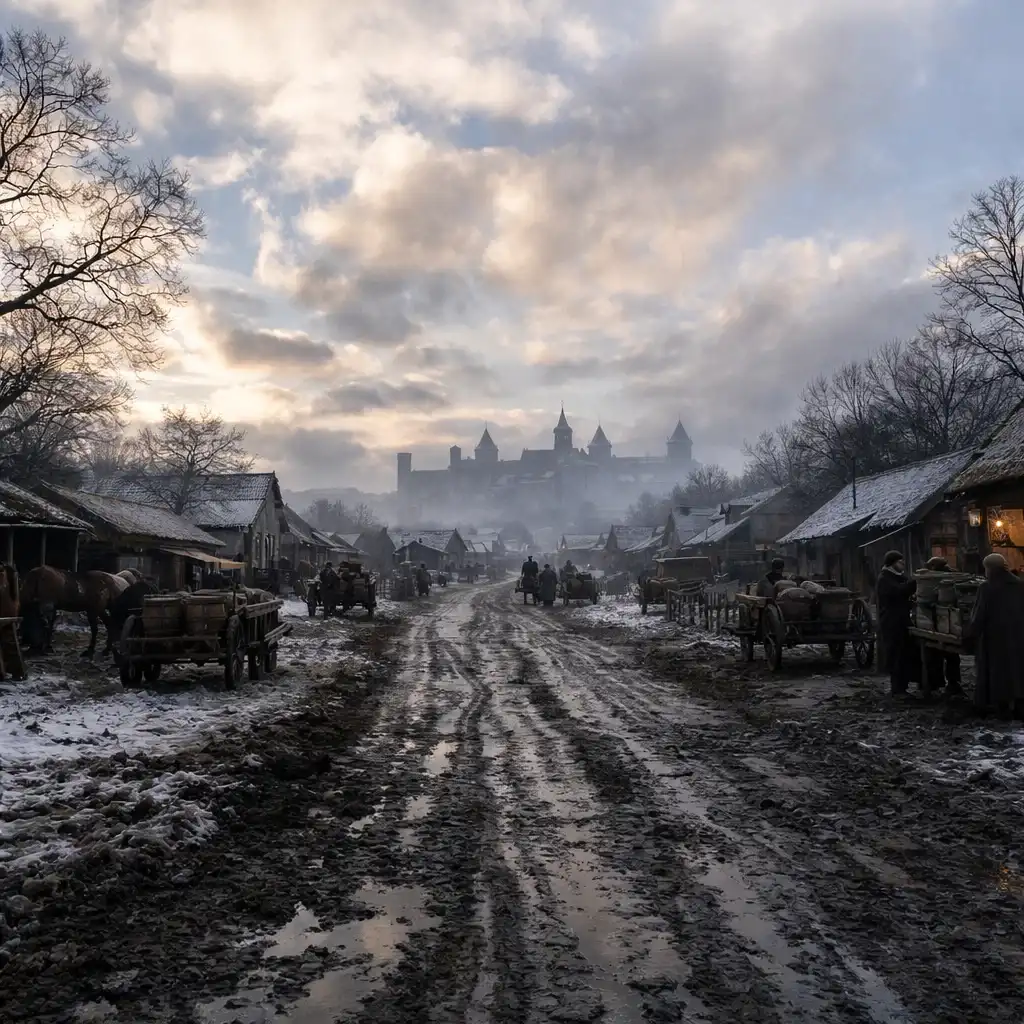
Open Ground Is a Liability
Stand here near the edge of the Old Town and strip away the postcard image.
In the medieval Baltic, an open settlement was not "free." It was exposed. The sea was not a border — it was a transport route. The same water that brought merchants could bring armed men. And if a place became valuable, it became a target.
Here is the brutal logic: Trade concentrates goods. Concentration attracts predators.
So before towers, before stone walls, Tallinn's story begins with a pressure that repeats across medieval Europe: If you cannot physically protect wealth, wealth does not stay.
This is why Tallinn's defense story is not a monument tour. It's the story of a place becoming worth taking — and being forced to learn how not to be taken.
1219: Conquest Makes the Place Strategic
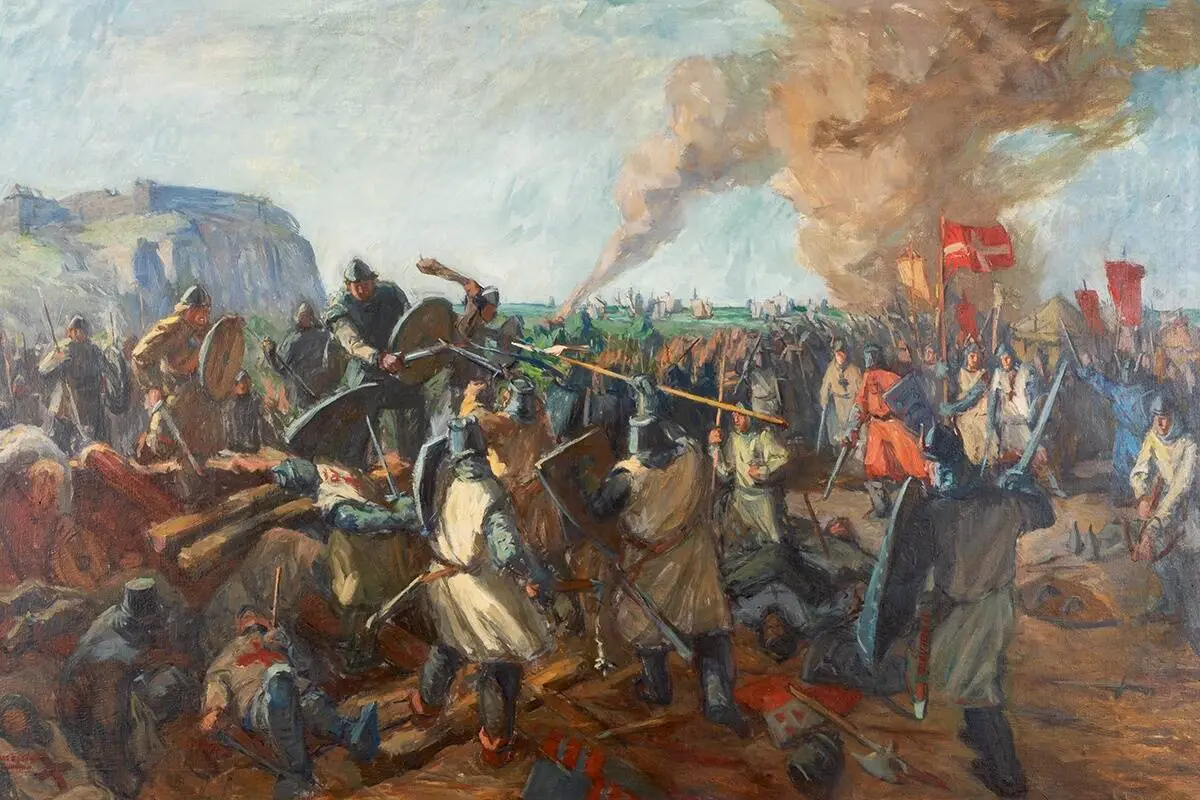
The year 1219 matters because it's when this place becomes part of a foreign military project.
During the Northern Crusades, Danish forces under King Valdemar II took the stronghold associated with Lindanise / Lyndanisse. Once conquest happens, the settlement stops being only local geography and becomes strategic infrastructure.
The story keeps going — 19 more stops on the street
This was the beginning of chapter 1 of 5. The full route walks you stop by stop through Tallinn with audio narration in English, Estonian, and Russian, historical photos at every point, and XP for your Explorer Passport. Free, self-guided, no booking.